
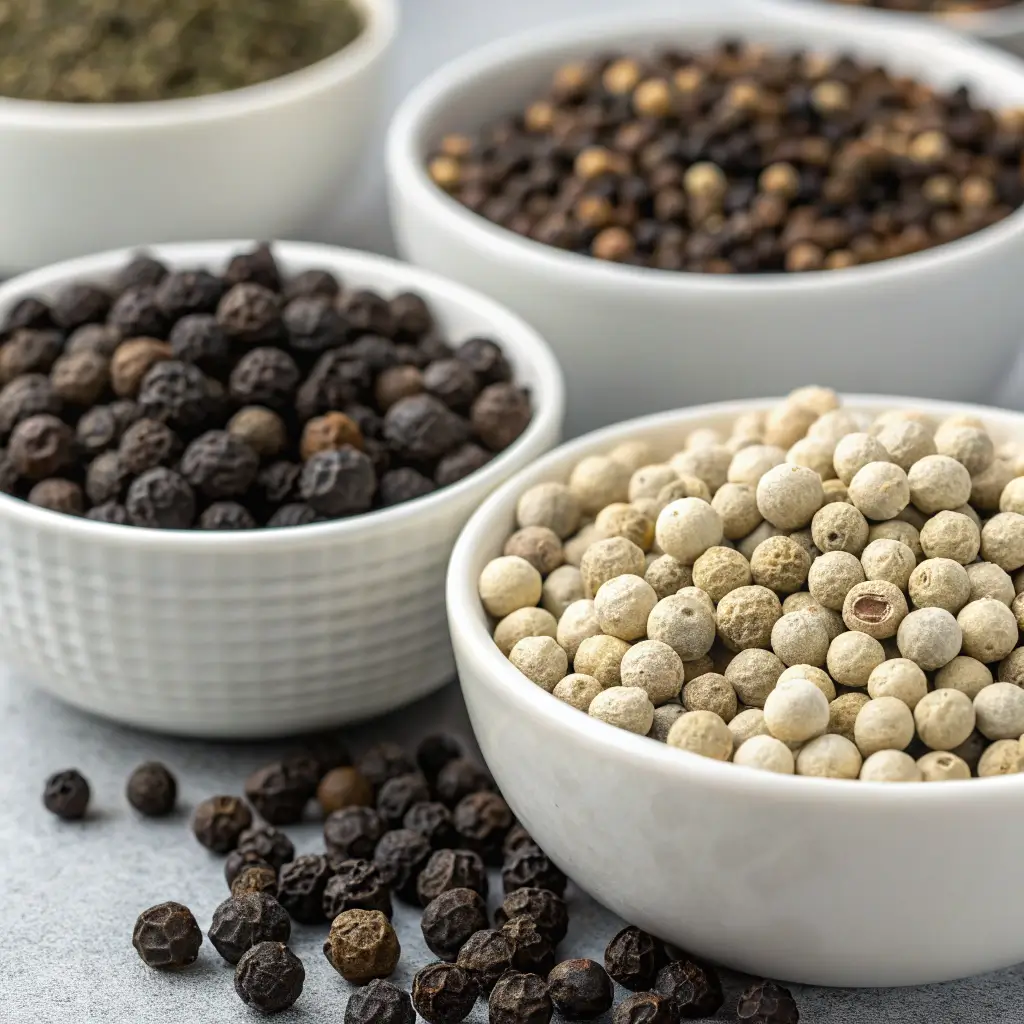
Welcome to a flavorful journey where we explore the intriguing difference between white and black pepper. These two spices, while derived from the same plant, offer distinct flavors and culinary uses that can elevate your dishes. Imagine the robust, bold heat of black pepper, which adds depth to savory meals, contrasted with the subtle, earthy notes of white pepper, perfect for creamy sauces and delicate soups. Both spices not only enhance flavor but also bring health benefits to the table. For instance, black pepper is known for its digestive aid properties, while white pepper boasts antioxidant qualities. As you dive into this exploration, you’ll discover how to use each pepper effectively, ensuring your culinary creations shine. So, whether you’re seasoning a hearty stew or a light salad, understanding the difference between white and black pepper will empower your cooking and inspire creativity in the kitchen.
Key Benefits
Understanding the difference between white and black pepper can elevate your cooking and provide notable health advantages. Here are the top benefits of each:
- Flavor Enhancement: Black pepper is renowned for its robust, spicy kick, making it a go-to for bold dishes. In contrast, white pepper offers a milder flavor, which is perfect for delicate sauces and soups.
- Culinary Versatility: Both types of pepper can be used in various cuisines. Black pepper shines in savory dishes, while white pepper is often favored in Asian cooking, particularly in stir-fries and creamy recipes.
- Digestive Aid: Interestingly, black pepper can stimulate digestion by increasing hydrochloric acid in the stomach. This makes it a great addition to meals, especially if you’re looking to enhance your digestive health.
- Antioxidant Properties: White pepper contains piperine, which is known for its antioxidant benefits. This means it can help combat oxidative stress in the body, contributing to overall health.
- Visual Appeal: When considering the difference between white and black pepper, it’s essential to note that white pepper blends seamlessly into light-colored dishes, ensuring a clean presentation without compromising flavor.
By recognizing these benefits, you can make informed choices about which pepper to use, enhancing both your meals and your health.
Ingredients
When it comes to the difference between white and black pepper, the ingredients tell a delightful story! Both types originate from the same plant, Piper nigrum, but their journeys diverge in fascinating ways. Let’s break it down:
- Whole Black Peppercorns: These little gems are harvested when they’re still green. Afterward, they’re dried, which gives them that bold, dark color and robust flavor. It’s like they’ve been sunbathing, soaking up all the goodness!
- Whole White Peppercorns: In contrast, these are black peppercorns that have had a makeover! The outer layer is removed, leaving behind a smoother, milder berry. This process makes white pepper a bit more subtle, perfect for those who prefer a gentler touch.
So, whether you’re reaching for the bold black pepper or the delicate white pepper, remember that each brings its own unique flavor profile to your culinary creations. Experimenting with both can elevate your dishes in delightful ways!
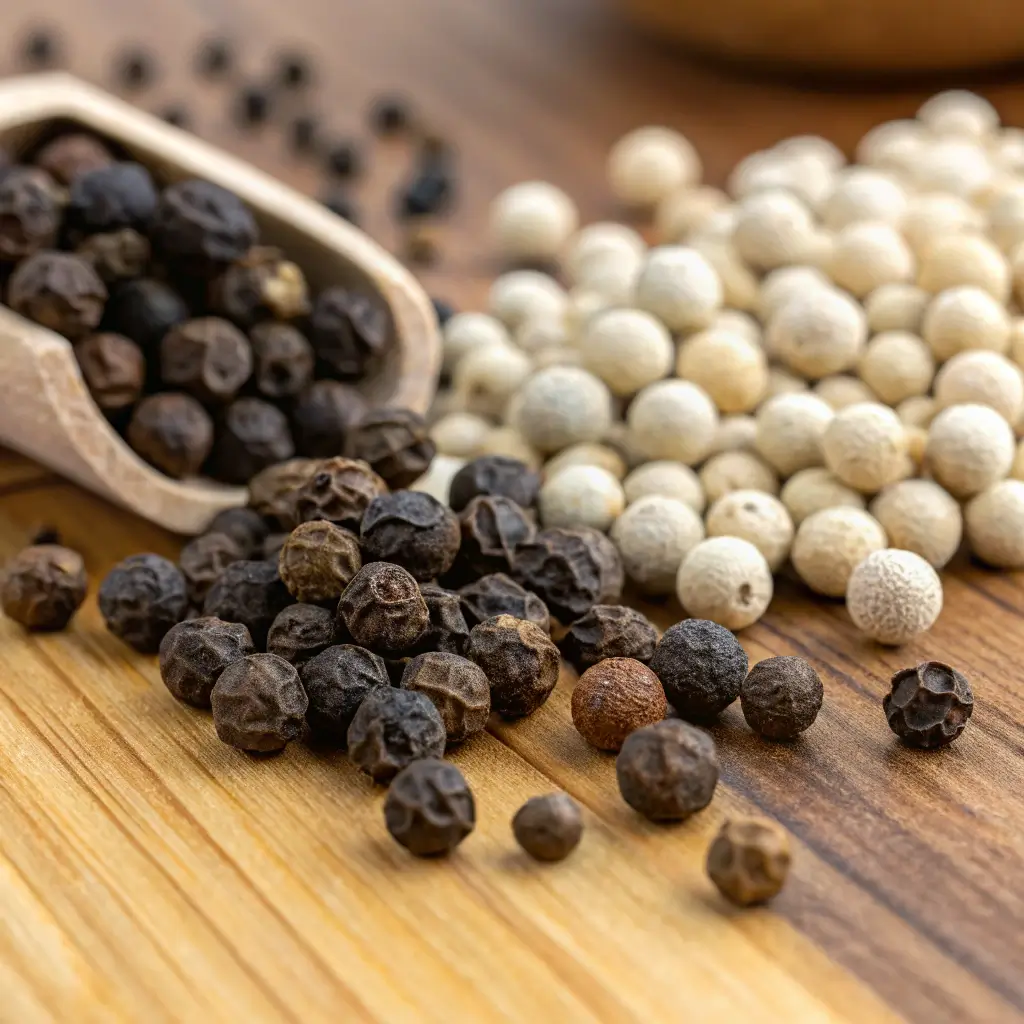
difference between white and black pepper
Ingredients
Method
- Examine the appearance of both types of pepper. Black peppercorns are dark and wrinkled, while white peppercorns are smooth and pale.
- Smell each type of pepper. Black pepper has a strong aroma, while white pepper has a milder scent with earthy undertones.
- Grind a small amount of each pepper and taste them. Black pepper is sharp and intense, while white pepper is more subtle.
- Black pepper is often ground coarsely, while white pepper is typically ground finely.
- Consider how you plan to use each pepper. Black pepper is great for hearty dishes, while white pepper is ideal for creamy sauces.
Notes
How to Make Difference Between White and Black Pepper
Understanding the difference between white and black pepper can elevate your culinary skills. Here’s a step-by-step guide to help you distinguish between these two popular spices.
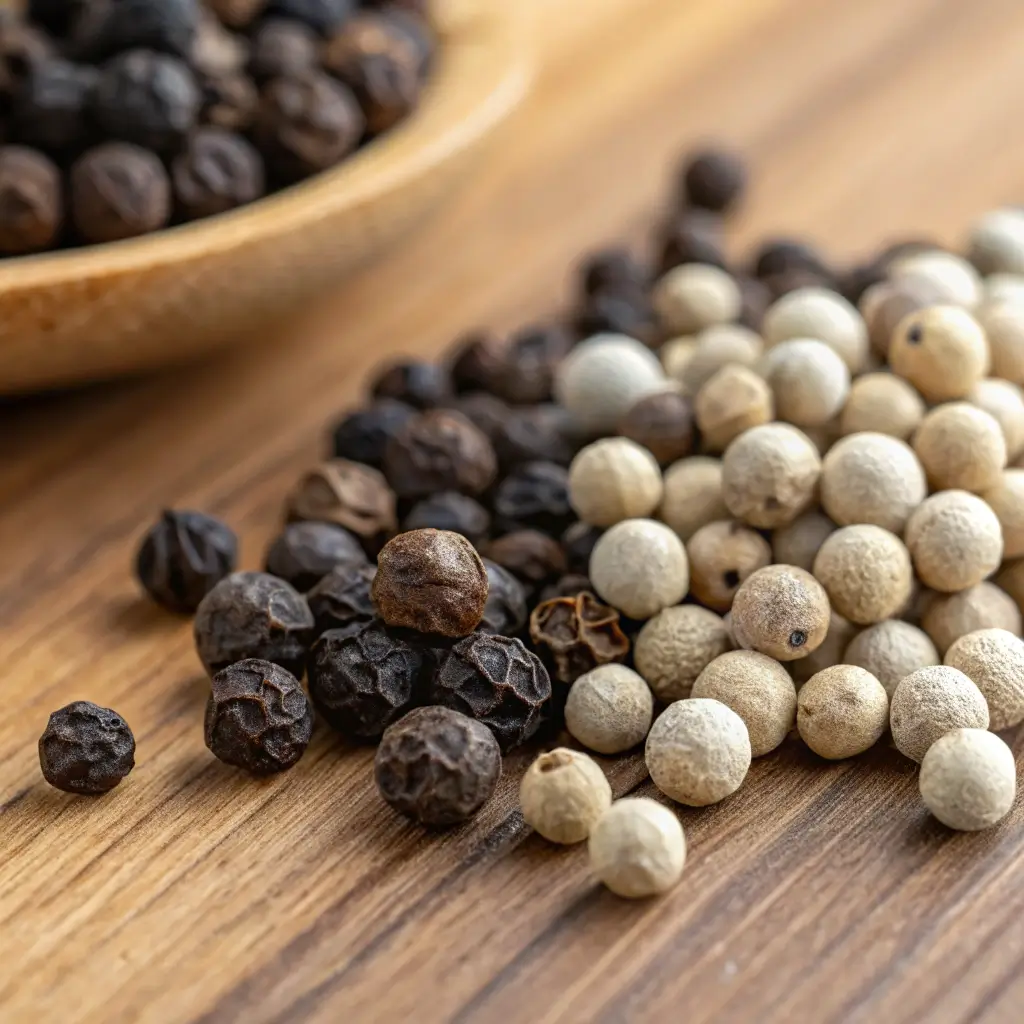
- Visual Inspection: Start by examining the appearance of both types of pepper. Black peppercorns are dark, wrinkled, and have a rough texture. In contrast, white peppercorns are smooth and pale, often resembling small, light-colored balls. This visual difference is the first clue in understanding the difference between white and black pepper.
- Smell Test: Next, take a moment to smell each type of pepper. Black pepper has a strong, pungent aroma that is bold and spicy. White pepper, however, offers a milder scent with earthy undertones. This olfactory comparison highlights another aspect of the difference between white and black pepper.
- Taste Comparison: Now, it’s time for the taste test. Grind a small amount of each pepper and taste them separately. Black pepper delivers a sharp, intense heat that can enhance a variety of dishes. Conversely, white pepper has a more subtle flavor, often described as musty or fermented, making it ideal for lighter dishes. This taste distinction is crucial for understanding the difference between white and black pepper.
- Grinding Techniques: Consider how you grind each type of pepper. Black pepper is often ground coarsely for a robust flavor, while white pepper is typically ground finely to blend seamlessly into sauces and soups. The grinding method can significantly affect the overall flavor profile, emphasizing the difference between white and black pepper.
- Culinary Uses: Finally, think about how you plan to use each pepper in your cooking. Black pepper is perfect for hearty dishes like grilled meats and roasted vegetables. On the other hand, white pepper shines in creamy sauces and mashed potatoes, where its color won’t alter the dish’s appearance. This practical application underscores the difference between white and black pepper in everyday cooking.
By following these steps, you can confidently identify and utilize the unique characteristics of white and black pepper in your culinary adventures. Enjoy experimenting with both to enhance your dishes!
Pro Tips, Variations, and Common Problems
When exploring the difference between white and black pepper, it’s essential to understand how to use each effectively. Here are some friendly tips to enhance your cooking experience:
- Fresh is Best: Always opt for freshly ground pepper. It significantly enhances flavor compared to pre-ground varieties. Invest in a good pepper mill for the best results.
- Storage Matters: Store both white and black pepper in airtight containers. Keep them away from light and moisture to maintain their potency. This way, you can enjoy their full flavor for longer.
- Flavor Adjustments: If you find your dish too spicy, consider using white pepper instead of black. White pepper has a milder flavor, making it perfect for delicate sauces and soups.
- Grinding Techniques: The way you grind your pepper can affect its taste. For a coarser texture, use a manual grinder. Conversely, a fine grind is ideal for seasoning dishes like mashed potatoes.
- Substitutions: If you run out of one type of pepper, you can substitute black pepper for white in most recipes, but be mindful of the flavor intensity. Conversely, white pepper can replace black pepper in lighter dishes.
Now, let’s address some common problems you might encounter:
- Bitter Taste: If your dish tastes bitter, it might be due to overusing black pepper. Try reducing the amount or switching to white pepper for a gentler flavor.
- Texture Issues: If your pepper is clumping, it may have absorbed moisture. To fix this, dry it out in a low oven for a few minutes, then store it properly.
- Visual Appeal: When making creamy dishes, opt for white pepper. It blends seamlessly without dark specks, ensuring a beautiful presentation.
By understanding the difference between white and black pepper, you can elevate your cooking. Remember, experimenting with both types can lead to delightful discoveries in flavor and presentation!
Serving Suggestions
When it comes to the difference between white and black pepper, the way you serve them can truly elevate your dishes. Here are some delightful serving ideas that highlight their unique flavors:
- Black Pepper: Use black pepper to add a bold kick to grilled meats, such as chicken or beef. Its robust flavor complements the charred exterior beautifully. Additionally, sprinkle it over roasted vegetables like Brussels sprouts or carrots for an extra layer of depth.
- White Pepper: White pepper shines in creamy sauces and soups. For instance, try it in a velvety potato leek soup or a rich Alfredo sauce. This way, you maintain a smooth appearance while enhancing the dish’s flavor.
- Salads: For a fresh salad, consider using black pepper to season a zesty vinaigrette. Conversely, white pepper can be a subtle addition to creamy dressings, ensuring the focus remains on the other ingredients.
- Egg Dishes: Black pepper is perfect for seasoning scrambled eggs or an omelet, adding a delightful contrast to the richness of the eggs. On the other hand, white pepper works wonderfully in quiches or frittatas, where a milder flavor is desired.
- Finishing Touch: Finally, consider using freshly cracked black pepper as a finishing touch on dishes like pizza or pasta. This not only enhances the flavor but also adds a visual appeal. In contrast, a light dusting of white pepper can elevate a delicate seafood dish without overpowering it.
By understanding the difference between white and black pepper, you can creatively enhance your meals. Experiment with these serving suggestions to impress your guests and explore new flavor combinations!
Storing and Reheating: Difference Between White and Black Pepper
To maintain the vibrant flavors and quality of both white and black pepper, proper storage is essential. First and foremost, store your pepper in airtight containers. This prevents moisture and air from degrading its potency. For longer freshness, consider keeping them in a cool, dark place, such as a pantry or cupboard. If you live in a humid environment, refrigeration can be beneficial. However, avoid freezing unless you vacuum-seal the pepper, as moisture can lead to spoilage.
Generally, when stored correctly, black and white pepper can last up to 3 years in the pantry, while refrigeration can extend their freshness to about 4 years. Always check for any signs of spoilage, such as an off smell or discoloration, to ensure food safety.
Reheating Techniques
When it comes to reheating dishes containing white or black pepper, gentle methods are key to preserving their unique flavors. For stovetop reheating, place your dish in a skillet over low heat. Stir occasionally to ensure even warming. Alternatively, you can use an oven set to a low temperature, around 250°F (120°C), for about 15-20 minutes. This method helps retain moisture while warming the dish. If you prefer using a microwave, cover your dish with a damp paper towel to add moisture and prevent drying out.
Heat in short intervals, stirring in between, until warmed through. Additionally, consider adding a splash of broth or water to refresh the dish, enhancing its flavor and texture. By following these methods, you can enjoy the full taste of your meals, ensuring that the difference between white and black pepper remains distinct and delightful.
Conclusion
As we wrap up this delightful exploration of the difference between white and black pepper, I hope you feel inspired to bring these versatile spices into your kitchen. This recipe not only showcases the unique flavors of each pepper but also emphasizes their simplicity and adaptability.
Whether you choose the bold punch of black pepper or the subtle warmth of white pepper, you’re sure to elevate your dishes effortlessly. So, gather your ingredients and embark on this culinary adventure; I assure you, the process is as enjoyable as the end result!
I invite you to share your experiences or any questions you might have. Did you try a new variation or pairing? Cooking is all about creativity, so don’t hesitate to experiment! Remember, the difference between white and black pepper can open up a world of flavor possibilities. So, get creative and have fun in the kitchen. Until next time, happy cooking!
What is the main difference between white and black pepper?
The primary difference between white and black pepper lies in their processing. Black pepper is made from unripe green berries that are cooked and dried, resulting in a strong, pungent flavor. In contrast, white pepper is produced by removing the outer layer of the ripe berries, leading to a milder taste. Therefore, when choosing between them, consider the flavor intensity you desire.
Is one type of pepper healthier than the other?
Both white and black pepper offer health benefits, but they differ slightly. Black pepper is known for its digestive aid properties and high antioxidant content. Meanwhile, white pepper may have fewer antioxidants but can be easier on the stomach for some individuals. Ultimately, both can be part of a healthy diet, so use them according to your taste preferences.
Can I substitute white pepper for black pepper in recipes?
Yes, you can substitute white pepper for black pepper, but keep in mind the flavor differences. White pepper has a milder taste and is often used in lighter dishes, such as creamy sauces or soups. If you decide to make this substitution, start with a smaller amount and adjust to your taste, as the flavor profiles are not identical.
How should I store white and black pepper?
To maintain their freshness, store both white and black pepper in airtight containers away from light and moisture. This practice helps preserve their flavor and potency. Additionally, keep them in a cool, dark place, as heat can diminish their quality over time.
Can I use white pepper in place of black pepper for seasoning meats?
While you can use white pepper for seasoning meats, it’s important to note that it has a different flavor profile. Black pepper provides a bolder taste, which complements grilled or roasted meats well. If you prefer a subtler flavor, white pepper can work, especially in marinades or lighter dishes. Just remember to adjust the quantity to suit your palate.