Have you ever wondered how a simple ingredient can transform your meals while boosting your health? Fennel and fennel seeds are not only aromatic and flavorful but also packed with incredible health benefits. These versatile ingredients can enhance your dishes with their unique taste, while also supporting digestive health and providing essential nutrients. In this recipe, we will explore how to incorporate fennel and fennel seeds into your cooking, making your meals both delicious and nutritious. So, let’s dive in and discover the delightful world of fennel!
Key Benefits
Fennel and fennel seeds are not just flavorful additions to your meals; they also pack a punch in terms of health benefits. Rich in antioxidants, these ingredients can promote digestive health, reduce inflammation, and provide essential vitamins and minerals. Incorporating fennel into your diet can enhance the taste of your dishes while supporting overall well-being. Here are some key benefits of fennel and fennel seeds:
- Digestive Health: Fennel is known for its ability to soothe digestive issues. It contains compounds that can help alleviate bloating and gas, making it a great addition to meals.
- Anti-Inflammatory Properties: Both fennel and fennel seeds possess anti-inflammatory properties. This can help reduce inflammation in the body, contributing to overall health.
- Rich in Nutrients: Fennel is a good source of vitamins C and A, as well as minerals like potassium and manganese. These nutrients are essential for maintaining a healthy body.
- Antioxidants: Fennel seeds are rich in antioxidants, which help combat oxidative stress and may reduce the risk of chronic diseases.
- Flavor Enhancement: Beyond health benefits, fennel and fennel seeds add a unique flavor to dishes. Their slightly sweet, anise-like taste can elevate the overall profile of your meals.
In summary, incorporating fennel and fennel seeds into your cooking not only enhances flavor but also supports your health in multiple ways. So, the next time you’re in the kitchen, consider adding these nutritious ingredients to your recipes!
Fennel and Fennel Seeds
When it comes to enhancing your culinary creations, fennel and fennel seeds are truly remarkable ingredients. Their unique flavors and health benefits make them a must-have in any kitchen. Below, you’ll find a detailed look at these ingredients, ensuring you’re well-equipped to incorporate them into your dishes.
Fresh Fennel Bulb
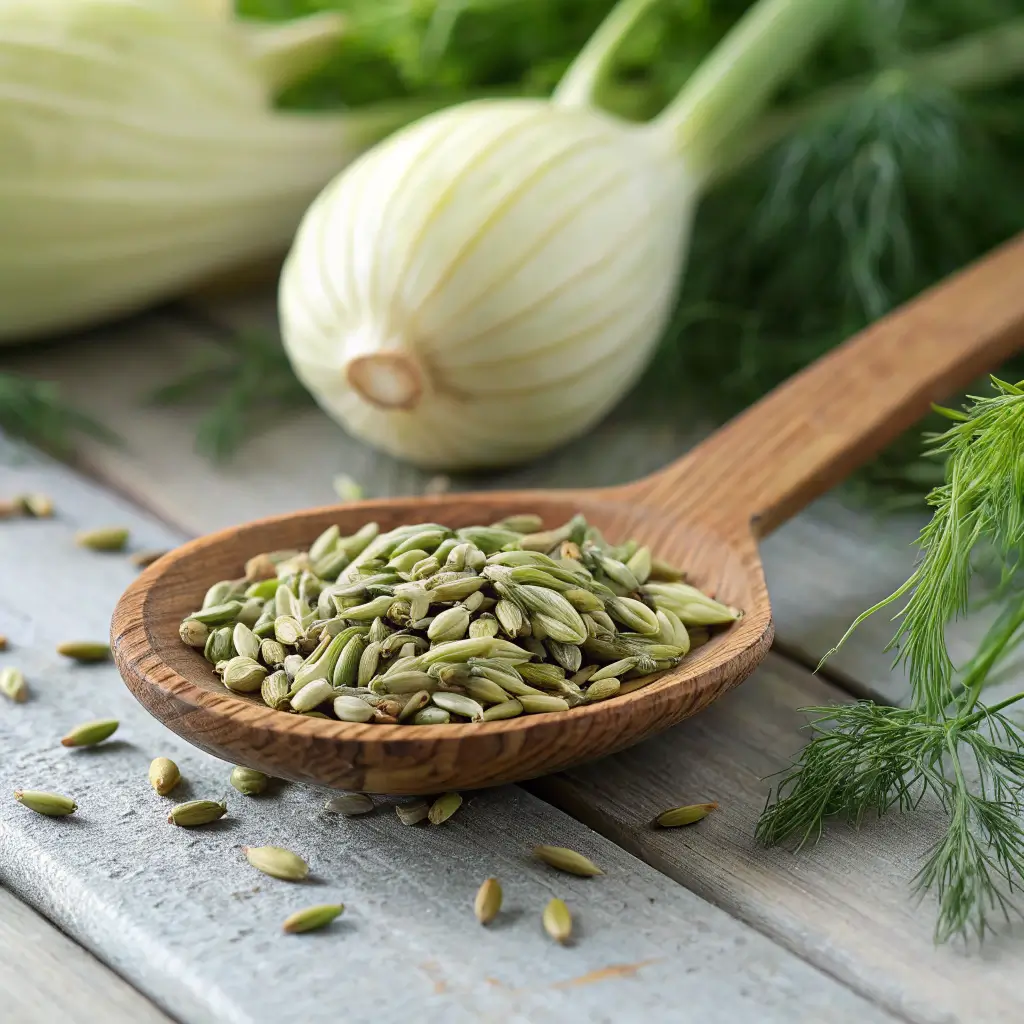
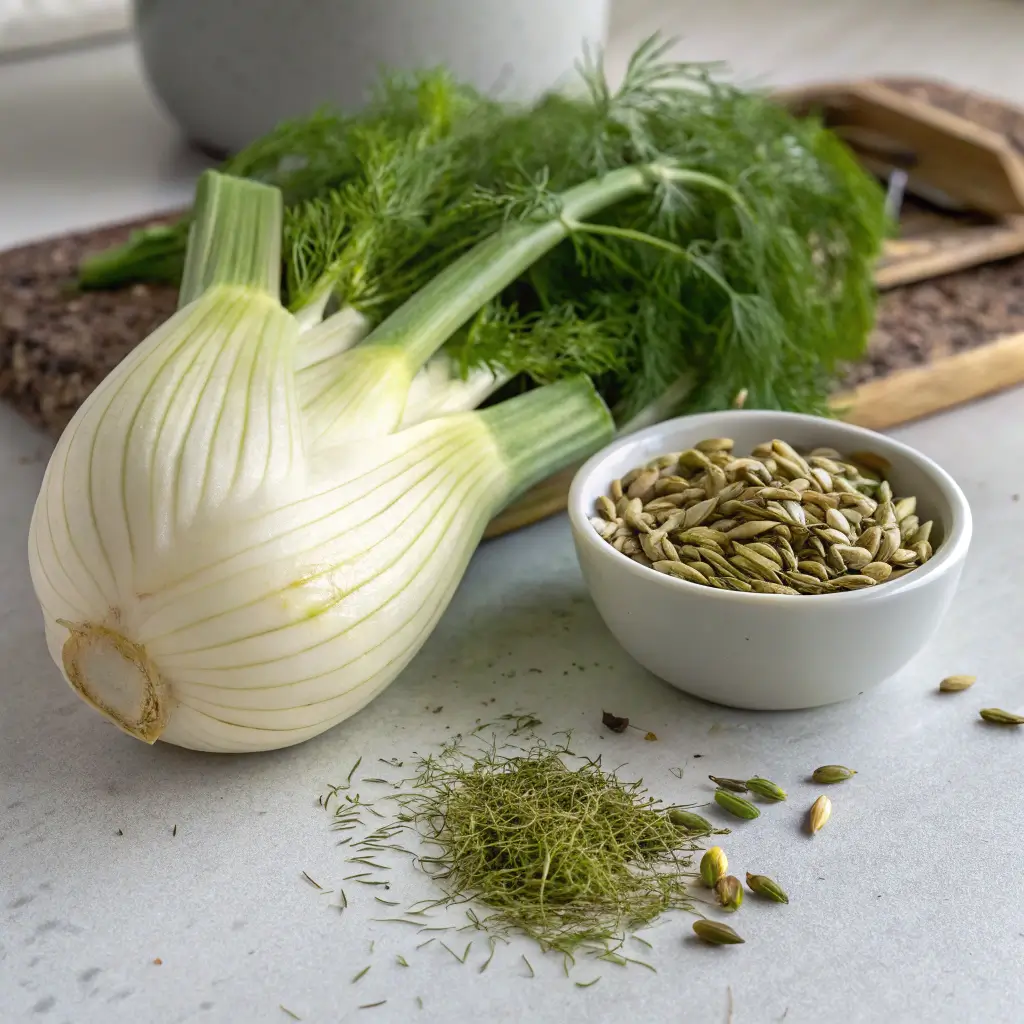
The fresh fennel bulb is a culinary gem, boasting a crisp texture and a subtly sweet, anise-like flavor. Its pale green or white layers are reminiscent of a delicate onion, yet with a refreshing twist. When you slice into a fennel bulb, you’ll be greeted by its aromatic scent, which can elevate any dish. To select the best fennel, look for bulbs that are firm and heavy, with vibrant green fronds still attached. This ensures freshness and maximum flavor.
Fennel Seeds
Fennel seeds, on the other hand, are tiny powerhouses of flavor. Their warm, slightly sweet, and licorice-like taste adds depth to both savory and sweet dishes. When you crush fennel seeds, they release an intoxicating aroma that can instantly transform your cooking. To maximize their flavor, consider toasting them lightly in a dry skillet before adding them to your recipes. This simple step enhances their natural oils and brings out their full potential.
Practical Tips
When using fennel and fennel seeds, remember that they can be quite versatile. For instance, if you’re looking to add a hint of sweetness, try caramelizing the fennel bulb. Alternatively, if you prefer a more robust flavor, roasting the fennel can bring out its natural sugars. Additionally, fennel seeds can be used whole or ground, depending on your preference. If you find the flavor too strong, balancing it with citrus juice or zest can create a delightful contrast.
Incorporating fennel and fennel seeds into your meals not only enhances the taste but also provides numerous health benefits. Rich in antioxidants, they support digestive health and reduce inflammation. So, as you explore the world of fennel, you’ll discover that these ingredients are not just flavorful; they’re also a boon for your well-being.
fennel and fennel seeds
Ingredients
Equipment
Method
- Start by selecting a fresh fennel bulb. Trim the stalks and fronds, setting them aside for later use.
- Next, slice the fennel bulb thinly. Aim for even slices to ensure uniform cooking.
- Heat a tablespoon of olive oil in a skillet over medium heat. Once the oil is shimmering, add the sliced fennel.
- Sauté the fennel for about 5-7 minutes until tender and slightly caramelized.
- Add a tablespoon of fennel seeds to the skillet and cook for another 2 minutes.
- Season your dish with salt and pepper to taste.
- For added depth of flavor, consider roasting the fennel at 400°F (200°C) for about 20 minutes.
- Remove from heat and serve warm, garnished with reserved fronds.
Notes
| Calories | Fat | Protein | Carbs |
|---|---|---|---|
| 80 | 5g | 1g | 10g |
How to Make Fennel and Fennel Seeds
To create a delightful dish featuring fennel and fennel seeds, follow these simple steps:
- Start by selecting a fresh fennel bulb. Trim the stalks and fronds, setting them aside for later use.
- Next, slice the fennel bulb thinly. Aim for even slices to ensure uniform cooking.
- Heat a tablespoon of olive oil in a skillet over medium heat. Once the oil is shimmering, add the sliced fennel.
- Sauté the fennel for about 5-7 minutes. You want it to become tender and slightly caramelized, enhancing its natural sweetness.
- Afterward, add a tablespoon of fennel seeds to the skillet. Stir them in and continue to cook for another 2 minutes, allowing the flavors to meld beautifully.
- Season your dish with salt and pepper to taste. This step is crucial, as it balances the flavors of the fennel and fennel seeds.
- For an added depth of flavor, consider roasting the fennel. Preheat your oven to 400°F (200°C) and spread the sliced fennel on a baking sheet. Roast for about 20 minutes, turning halfway through.
- Finally, remove the fennel from the heat. Serve it warm, garnished with the reserved fronds for a touch of freshness.
By following these steps, you will create a delicious dish that highlights the unique flavors of fennel and fennel seeds. Enjoy your culinary creation!
Pro Tips, Variations & Common Problems
When cooking with fennel and fennel seeds, consider these pro tips to enhance your dish: for a sweeter flavor, try caramelizing the fennel. This technique brings out its natural sugars, creating a delightful contrast. If you find the taste too strong, balance it with citrus juice or zest, which can brighten the overall flavor profile. Additionally, if you’re looking for a more robust taste, toasting the fennel seeds in a dry skillet for a few minutes can intensify their aroma and flavor.
Common problems include overcooking the fennel, which can lead to a mushy texture. To avoid this, monitor the cooking time closely, especially when sautéing. If you notice the fennel starting to brown too quickly, reduce the heat. Furthermore, if your dish turns out too bitter, consider adding a pinch of sugar or honey to counteract the bitterness.
For variations, feel free to experiment with different herbs like thyme or basil for unique flavor profiles. You can also swap out the fennel bulb for other vegetables, such as leeks or celery, if you’re looking for a different texture. If you want to make a hearty dish, add chickpeas or lentils for protein, making it a complete meal.
Lastly, if you have leftover fennel or fennel seeds, store them properly. Fresh fennel can be kept in the fridge for up to a week, while fennel seeds should be stored in a cool, dark place to maintain their potency. By following these tips, you can confidently create delicious dishes with fennel and fennel seeds, ensuring a delightful culinary experience every time.
Serving Suggestions
When it comes to serving dishes made with fennel and fennel seeds, presentation is key. Here are some delightful ways to plate and serve your creations:
- Elegant Plating: Start by arranging sautéed fennel on a vibrant plate. Use a ring mold for a sophisticated touch, layering the fennel beautifully. This not only enhances the visual appeal but also showcases the dish’s textures.
- Garnishing: Add a sprinkle of fresh herbs, such as parsley or dill, on top of the fennel. Additionally, a zest of lemon can brighten the dish, providing a pop of color and flavor.
- Pairing with Proteins: Serve your fennel alongside grilled chicken or fish. The anise-like flavor of fennel complements these proteins wonderfully, creating a balanced meal.
- Incorporating into Salads: For a refreshing twist, toss raw fennel slices into a salad. Combine with citrus segments and a light vinaigrette for a crunchy, flavorful side.
- Serving with Grains: Consider pairing roasted fennel with quinoa or farro. This not only adds nutritional value but also creates a hearty dish that is visually appealing.
- Creating a Fennel Seed Sprinkle: Toast fennel seeds lightly and use them as a finishing touch on soups or stews. This adds a delightful crunch and enhances the overall flavor profile.
By incorporating these serving suggestions, you can elevate your dishes featuring fennel and fennel seeds. Not only will they look stunning on the table, but they will also impress your guests with their unique flavors and textures.
Proper Storage and Reheating of Fennel and Fennel Seeds
To keep your fennel and fennel seeds fresh and flavorful, proper storage is essential. Firstly, store fresh fennel bulbs in the refrigerator. Wrap them in a damp paper towel and place them in a perforated plastic bag. This method helps retain moisture while allowing airflow, keeping the fennel fresh for up to one week. Alternatively, you can chop the fennel and store it in an airtight container, where it will stay fresh for about three days. If you want to extend its shelf life, consider freezing fennel.
Slice it, blanch for a couple of minutes, and then transfer it to a vacuum-sealed bag or an airtight container. Frozen fennel can last up to six months without losing its quality. When it comes to fennel seeds, store them in a cool, dark place in an airtight container. They can maintain their flavor for up to six months, but for optimal freshness, use them within three months. Always check for any signs of spoilage, such as an off smell or discoloration, to prevent any food safety issues.
Reheating Methods for Fennel and Fennel Seeds
When it’s time to enjoy your fennel dishes again, reheating them properly is key to preserving their taste and texture. For stovetop reheating, place the fennel in a skillet over low heat. Add a splash of vegetable broth or water to create steam, which will help keep the fennel moist. Stir occasionally for about 5-7 minutes until heated through. If you prefer using the oven, preheat it to 350°F (175°C). Spread the fennel on a baking sheet, drizzle with a little olive oil, and cover with foil to retain moisture.
Heat for about 10-15 minutes, checking to ensure it doesn’t dry out. The microwave is another quick option; however, be cautious. Place the fennel in a microwave-safe dish, add a tablespoon of water, and cover it with a microwave-safe lid. Heat in short intervals of 30 seconds, stirring in between, until warmed through. For fennel seeds, if you want to refresh their flavor, lightly toast them in a dry skillet over medium heat for a few minutes until fragrant. This method enhances their aroma and taste, making them perfect for adding to your dishes.
Conclusion
As you wrap up your culinary adventure with fennel and fennel seeds, I hope you feel inspired to try this delightful recipe. Its simplicity and versatility make it a fantastic choice for both novice cooks and seasoned chefs alike. Not only does fennel add a unique flavor to your dishes, but it also brings numerous health benefits, enhancing your meals in more ways than one. So, gather your ingredients and dive into the cooking process; you might just discover a new favorite!
Share Your Experience
I would love to hear how your dish turns out! Please share your results or any questions you may have in the comments below. Additionally, don’t hesitate to experiment with variations or pairings that suit your taste. Whether you add a splash of citrus or try different herbs, the possibilities are endless. Remember, cooking is all about creativity and joy, and fennel and fennel seeds are perfect for sparking that creativity in the kitchen.
So, roll up your sleeves, enjoy the process, and savor the delicious results. Happy cooking!
Frequently Asked Questions about Fennel and Fennel Seeds
Curious about fennel and fennel seeds? You’re not alone! Here are some common questions and answers to help you make the most of these flavorful ingredients.
What is fennel used for in cooking?
Fennel is a versatile vegetable that adds a sweet, anise-like flavor to dishes. You can use it raw in salads, roasted as a side dish, or sautéed with other vegetables. Additionally, fennel seeds are often used as a spice to enhance the flavor of soups, stews, and baked goods.
How do I store fresh fennel?
To keep fresh fennel at its best, wrap it in a damp paper towel and place it in a plastic bag in the refrigerator. This method helps maintain its crispness. Generally, fresh fennel can last up to a week when stored properly.
Can I substitute fennel seeds for fresh fennel?
Yes, you can substitute fennel seeds for fresh fennel, but keep in mind that the flavor will be more concentrated. Use about 1 teaspoon of fennel seeds for every cup of chopped fresh fennel. However, if you want a milder taste, consider using a combination of celery and dill as an alternative.
Are fennel and fennel seeds healthy?
Absolutely! Fennel and fennel seeds are rich in antioxidants and provide various health benefits. They can aid digestion, reduce inflammation, and offer essential vitamins and minerals. Including them in your diet can enhance both your meals and your overall well-being.
How can I use fennel seeds in my cooking?
Fennel seeds can be used in various ways! You can toast them lightly to enhance their flavor before adding them to dishes. They work well in spice blends, marinades, and even baked goods. Additionally, try adding them to tea for a soothing digestive aid.