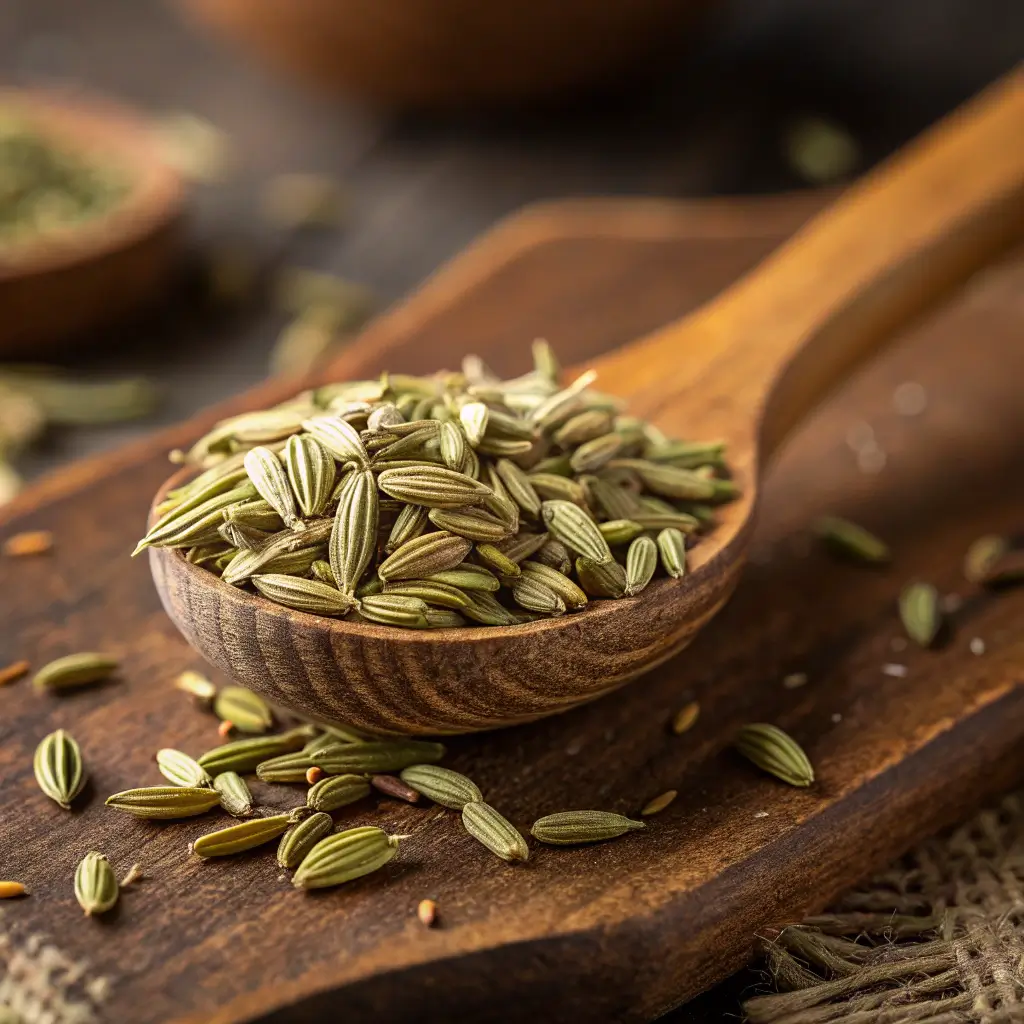
Have you ever wondered how a tiny seed can pack such a powerful punch in both flavor and health benefits? Fennel seeds are not only a delightful addition to your culinary repertoire, but they also offer remarkable advantages for your digestive health. These aromatic seeds are rich in antioxidants and possess anti-inflammatory properties, making them a natural remedy for various ailments. Moreover, they serve as a fantastic flavor enhancer, elevating dishes from ordinary to extraordinary. So, whether you’re looking to boost your metabolism or simply add a unique twist to your meals, fennel seeds are the perfect ingredient to explore.
Key Benefits
Fennel seeds are not just a delightful addition to your culinary creations; they also pack a punch when it comes to health benefits. Here’s why you should consider incorporating fennel, seeds into your diet:
- Digestive Health: Fennel seeds are renowned for their ability to aid digestion. They contain compounds that help relax the muscles in the gastrointestinal system, which can alleviate bloating and gas. Additionally, they stimulate the production of digestive enzymes, making them a natural remedy for digestive discomfort.
- Anti-Inflammatory Properties: These tiny seeds are rich in antioxidants, which help combat inflammation in the body. This is particularly beneficial for those suffering from chronic inflammatory conditions, as fennel seeds can help reduce swelling and pain.
- Antioxidant-Rich: Fennel seeds are loaded with antioxidants, such as flavonoids and phenolic compounds. These antioxidants help protect your cells from oxidative stress, which is linked to various diseases, including heart disease and cancer.
- Flavor Enhancer: Beyond their health benefits, fennel seeds serve as a fantastic flavor enhancer in a variety of dishes. Their slightly sweet, anise-like flavor can elevate everything from soups to salads, making them a versatile ingredient in your kitchen.
- Metabolism Booster: Incorporating fennel seeds into your meals can also support your metabolism. They are known to help regulate blood sugar levels and improve insulin sensitivity, which can be particularly beneficial for those managing their weight.
In summary, fennel seeds are a powerhouse of health benefits. Not only do they support digestive health and reduce inflammation, but they also enhance the flavor of your dishes. So, the next time you’re cooking, consider adding fennel, seeds for both taste and nutrition!
Fennel Seeds
Fennel seeds are a delightful addition to any kitchen, offering a unique flavor profile that can elevate a variety of dishes. These tiny, aromatic seeds are not just a culinary delight; they also pack a punch when it comes to health benefits. Below, we’ll explore the essential ingredients that make fennel, seeds a must-have in your pantry.
Key Ingredients
- Fennel Seeds: The star of the show, fennel seeds have a sweet, anise-like flavor that is both refreshing and slightly peppery. Their aroma is reminiscent of licorice, making them a perfect addition to both savory and sweet dishes.
- Substitutes: If you find yourself without fennel, seeds, don’t worry! Cumin or anise can serve as excellent substitutes. Cumin offers a warm, earthy flavor, while anise brings a similar sweetness to the table.
- Flavor Profile: Fennel seeds are versatile. They can enhance the taste of soups, stews, and marinades. Additionally, they shine in baked goods, adding a hint of sweetness that balances rich flavors.
When using fennel, seeds, consider toasting them lightly to unlock their full flavor potential. This simple step can transform your dishes, making them even more aromatic and delicious. Overall, fennel seeds are not only a flavor enhancer but also a natural remedy, known for their digestive health benefits and antioxidant properties. So, whether you’re cooking a hearty stew or baking a loaf of bread, fennel, seeds can bring a delightful twist to your culinary creations.
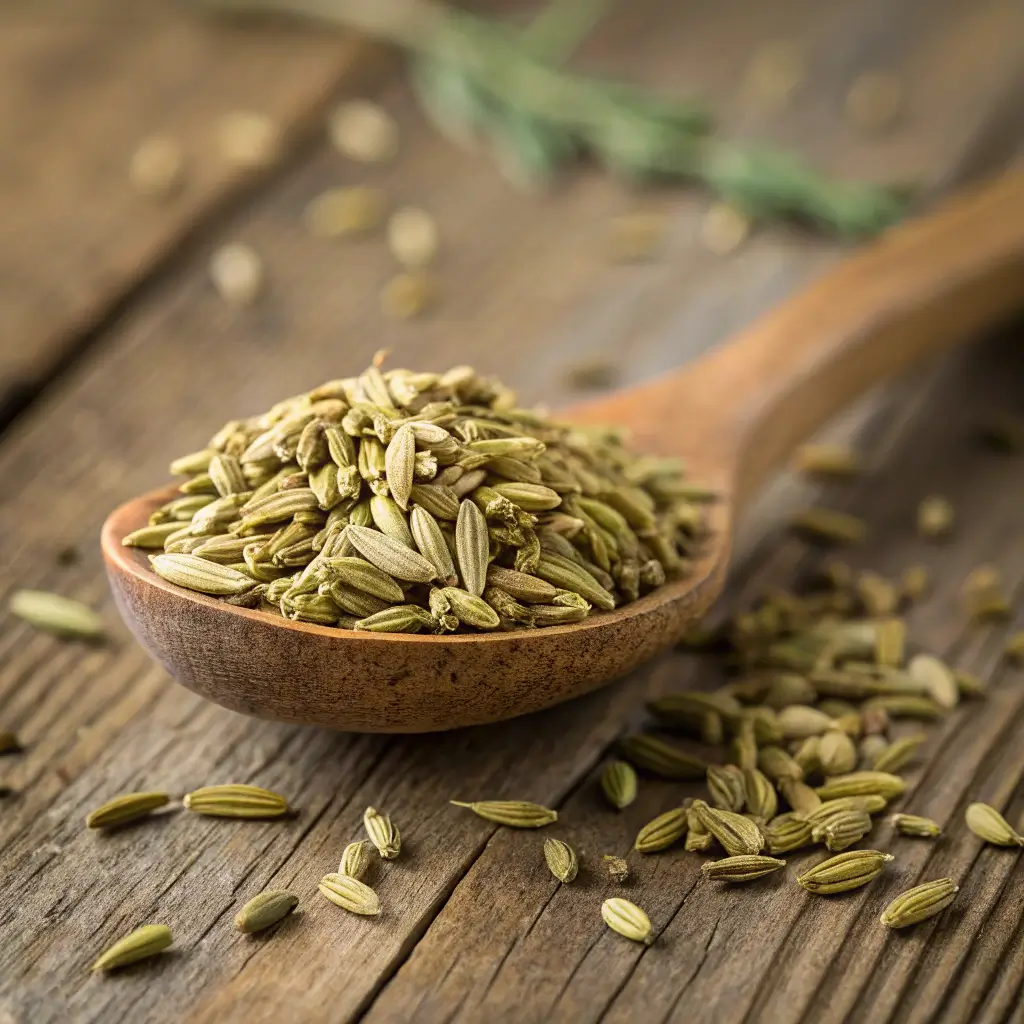
fennel seeds
Ingredients
Method
- Start with high-quality fennel seeds. You can find them at most grocery stores or specialty spice shops.
- Place the fennel seeds in a dry skillet over medium heat. Stir them frequently to prevent burning. Toasting should take about 3-5 minutes. You’ll know they’re ready when they become fragrant and slightly darker in color.
- Once toasted, remove the skillet from heat. Transfer the fennel seeds to a plate to cool. This step is crucial, as it prevents them from continuing to cook in the hot skillet.
- After the seeds have cooled, you can grind them using a spice grinder or mortar and pestle. For a coarser texture, pulse the grinder a few times. If you prefer a fine powder, grind until you reach your desired consistency.
- Transfer the ground fennel seeds to an airtight container. Store them in a cool, dark place to maintain their freshness. Proper storage can significantly extend their shelf life.
Notes
| Calories | Fat | Protein | Carbs |
|---|---|---|---|
| 20 | 0.5g | 1g | 4g |
How to Make Fennel Seeds
Making fennel seeds is a straightforward process that enhances their flavor and aroma. Follow these simple steps to prepare your own fennel, seeds, ensuring you maximize their culinary potential.
- Gather Your Ingredients: Start with high-quality fennel seeds. You can find them at most grocery stores or specialty spice shops.
- Toast the Seeds: Place the fennel, seeds in a dry skillet over medium heat. Stir them frequently to prevent burning. Toasting should take about 3-5 minutes. You’ll know they’re ready when they become fragrant and slightly darker in color.
- Cool the Seeds: Once toasted, remove the skillet from heat. Transfer the fennel, seeds to a plate to cool. This step is crucial, as it prevents them from continuing to cook in the hot skillet.
- Grind the Seeds: After the seeds have cooled, you can grind them using a spice grinder or mortar and pestle. For a coarser texture, pulse the grinder a few times. If you prefer a fine powder, grind until you reach your desired consistency.
- Store Properly: Transfer the ground fennel, seeds to an airtight container. Store them in a cool, dark place to maintain their freshness. Proper storage can significantly extend their shelf life.
By following these steps, you’ll have freshly prepared fennel seeds that are perfect for enhancing the flavor of your dishes. Enjoy experimenting with their unique taste in various recipes!
Pro Tips, Variations, and Common Problems
Fennel seeds are a versatile ingredient that can elevate your dishes, but using them effectively requires a bit of know-how. Here are some expert tips to help you make the most of fennel, seeds in your cooking.
Expert Tips
– Toasting for Flavor: Always toast fennel seeds before using them. This process enhances their natural oils and brings out a deeper flavor. Simply heat a dry skillet over medium heat, add the seeds, and stir for about 2-3 minutes until fragrant.
– Grinding Techniques: If you prefer ground fennel, seeds, use a spice grinder or mortar and pestle. Grinding them just before use ensures maximum freshness and flavor. However, be careful not to over-grind; a coarse texture often works best in recipes.
– Storage Solutions: Store fennel, seeds in an airtight container, away from light and heat. This will help maintain their potency for up to six months. For longer shelf life, consider refrigerating them.
Creative Variations
– Culinary Swaps: If you don’t have fennel seeds on hand, you can substitute them with anise seeds or caraway seeds. Both offer a similar flavor profile, albeit with slight variations.
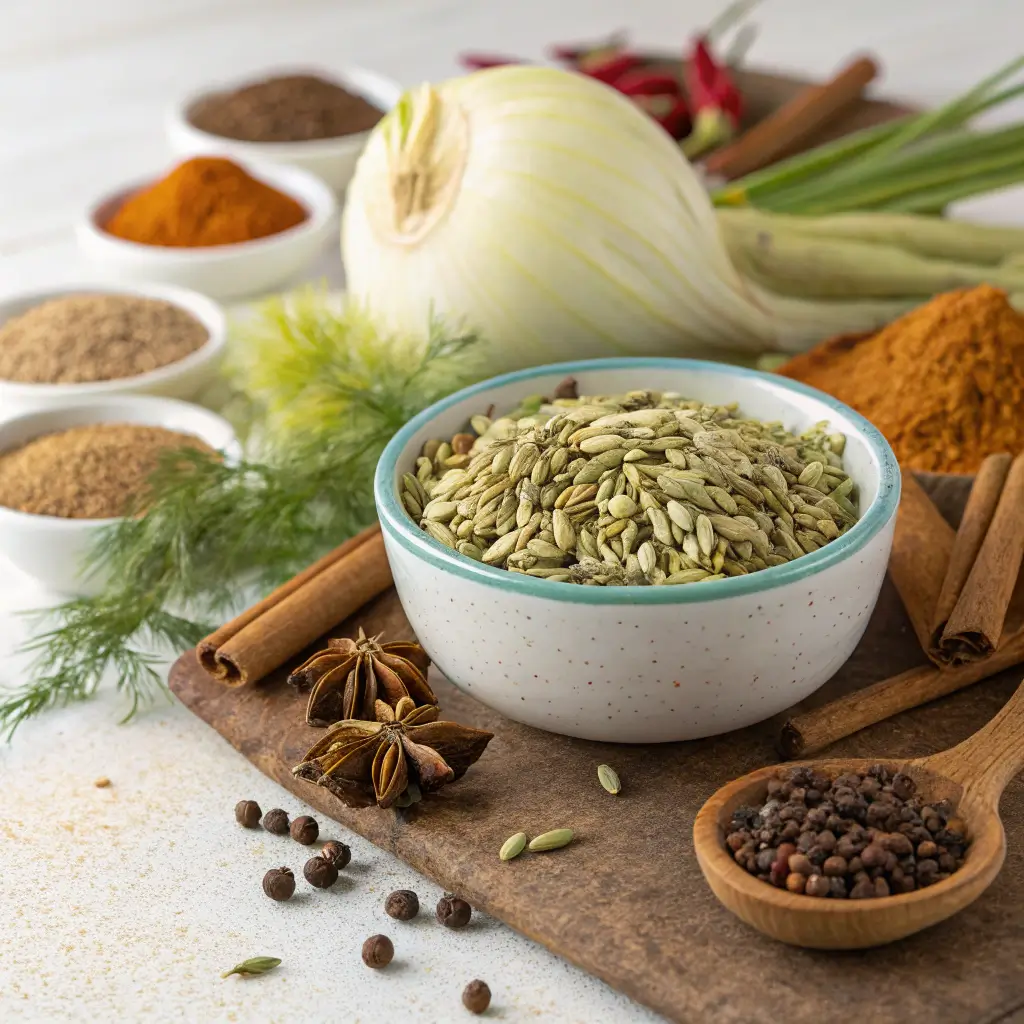
– Flavor Combinations: Fennel seeds pair beautifully with spices like cumin and coriander. Try combining them in your spice blends for a unique twist on traditional recipes.
– Cuisine Adaptations: Use fennel seeds in various cuisines. For instance, they are a staple in Indian cooking, often found in curries and spice mixes. In Mediterranean dishes, they can enhance the flavor of roasted vegetables or fish.
Troubleshooting Common Problems
– Over-Toasting: If you accidentally over-toast your fennel seeds, they may taste bitter. To salvage the flavor, try mixing them with fresh seeds to balance the bitterness.
– Grinding Issues: If your ground fennel, seeds are too fine, they can clump together. To prevent this, grind in small batches and store them with a pinch of salt or sugar to keep them loose.
– Flavor Mismatch: If the flavor of fennel seeds is too strong in a dish, add a splash of acidity, such as lemon juice or vinegar. This can help balance the flavors and make the dish more palatable.
By following these tips and variations, you can confidently incorporate fennel, seeds into your cooking. Enjoy experimenting with this aromatic spice, and don’t hesitate to adjust based on your personal taste preferences!
Serving Suggestions for Fennel Seeds
Fennel seeds are not only a culinary delight but also a versatile ingredient that can elevate your dishes. Here are some creative and visually appealing ways to serve dishes featuring fennel, seeds:
- Garnish with Style: Sprinkle toasted fennel seeds over salads for a crunchy texture. Their delicate flavor pairs beautifully with leafy greens, citrus segments, and a light vinaigrette. This adds both visual appeal and a burst of flavor.
- Incorporate into Soups: Add fennel seeds to your favorite soups or stews. They can be infused into the broth or used as a garnish. For instance, a creamy potato soup topped with a sprinkle of fennel, seeds creates a delightful contrast.
- Flavorful Marinades: Create a marinade for grilled vegetables or chicken by mixing fennel, seeds with olive oil, lemon juice, and herbs. This not only enhances the dish but also adds a fragrant aroma that will impress your guests.
- Infuse in Dishes: Use fennel, seeds in rice or grain dishes. Cooking them with quinoa or couscous infuses the grains with a subtle anise flavor. Serve this colorful dish in a bowl, garnished with fresh herbs for a pop of color.
- Pair with Cheese: Fennel seeds can complement cheese platters beautifully. Pair them with creamy cheeses like goat cheese or ricotta. A sprinkle of fennel, seeds adds an unexpected twist that will intrigue your guests.
- Sweet Treats: Incorporate fennel, seeds into baked goods, such as cookies or muffins. Their unique flavor enhances sweet treats, making them a conversation starter at any gathering.
By using these serving suggestions, you can showcase the culinary versatility of fennel seeds. Not only will your dishes taste incredible, but they will also look stunning on the table. So, get creative and enjoy the delightful flavors that fennel, seeds bring to your cooking!
Proper Storage and Reheating of Fennel Seeds
Storing fennel seeds correctly is essential to maintain their vibrant flavor and quality. To begin with, always keep your fennel, seeds in an airtight container. This prevents moisture and air from degrading their freshness. Ideally, store them in a cool, dark place, such as a pantry or cupboard. However, if you want to extend their shelf life even further, consider refrigeration. When stored in the fridge, fennel, seeds can last up to six months. For longer storage, freezing is an excellent option. In the freezer, fennel seeds can remain fresh for up to a year. Just remember to use a vacuum-sealed bag or an airtight container to prevent freezer burn.
Food safety is paramount, so always check for any signs of spoilage, such as an off smell or discoloration. If you notice any changes, it’s best to discard them. Additionally, avoid storing fennel seeds in direct sunlight or near heat sources, as this can lead to rapid degradation.
Reheating Methods for Fennel Seeds
When it comes to reheating fennel seeds, the goal is to preserve their unique flavor and texture. One effective method is to use the stovetop. Simply place a skillet over low heat and add the fennel, seeds. Stir them gently for about 2-3 minutes until they become fragrant. This method not only warms them but also enhances their flavor.
If you prefer using an oven, preheat it to 350°F (175°C). Spread the fennel seeds on a baking sheet in a single layer. Heat them for about 5-7 minutes, checking frequently to avoid burning. Alternatively, you can use a microwave. Place the fennel, seeds in a microwave-safe bowl and cover them with a damp paper towel. Heat them in 30-second intervals, stirring in between, until warm.
For those who own an air fryer, this can be a quick and efficient option. Set the air fryer to 300°F (150°C) and heat the fennel, seeds for about 3-5 minutes. Regardless of the method you choose, be cautious not to overheat them, as this can lead to a loss of flavor. If you want to refresh the seeds further, consider adding a tiny splash of water or oil to maintain moisture during reheating.
Conclusion
As you wrap up your culinary adventure with fennel seeds, remember that this recipe is not just about the ingredients; it’s about the joy of cooking and the flavors you create. Fennel, seeds are incredibly simple to use and versatile, making them a fantastic choice for both novice cooks and seasoned chefs alike. So, why not give this recipe a try? You might discover a new favorite dish that enhances your meals with their unique flavor and numerous health benefits.
Moreover, I encourage you to share your results or ask any questions you may have. Your kitchen experiments are valuable, and I would love to hear how you incorporated fennel seeds into your cooking. Feel free to explore variations or pairings that suit your taste; after all, cooking is meant to be fun and creative! Fennel, seeds can be a wonderful addition to a variety of dishes, so don’t hesitate to get imaginative.
In conclusion, embrace the process and enjoy every moment in the kitchen. With fennel seeds, you have a delightful ingredient that not only boosts flavor but also supports your health. Happy cooking!
What are fennel seeds used for?
Fennel seeds are incredibly versatile! You can use them in various dishes, from salads and soups to marinades and baked goods. They add a sweet, anise-like flavor that enhances the taste of many recipes. Additionally, they can be used in spice blends or as a digestive aid after meals.
Are fennel seeds good for digestion?
Yes, fennel seeds are known for their digestive health benefits. They can help alleviate bloating and gas, making them a popular natural remedy. To enjoy these benefits, consider chewing a teaspoon of fennel, seeds after meals or brewing them into a soothing tea.
How do you store fennel seeds?
To keep fennel seeds fresh, store them in an airtight container in a cool, dark place. This will help maintain their flavor and potency. If you buy them in bulk, consider refrigerating them to extend their shelf life even further.
Can you eat fennel seeds raw?
Absolutely! Eating fennel seeds raw is perfectly safe and can be quite enjoyable. They have a pleasant crunch and a sweet flavor. However, to maximize their health benefits, you might want to toast them lightly before using them in recipes.
What are some substitutes for fennel seeds?
If you don’t have fennel seeds on hand, you can use anise seeds or caraway seeds as substitutes. Both have similar flavor profiles, although they may not be identical. Additionally, a combination of cumin and a touch of sugar can mimic the sweetness of fennel, seeds in a pinch.