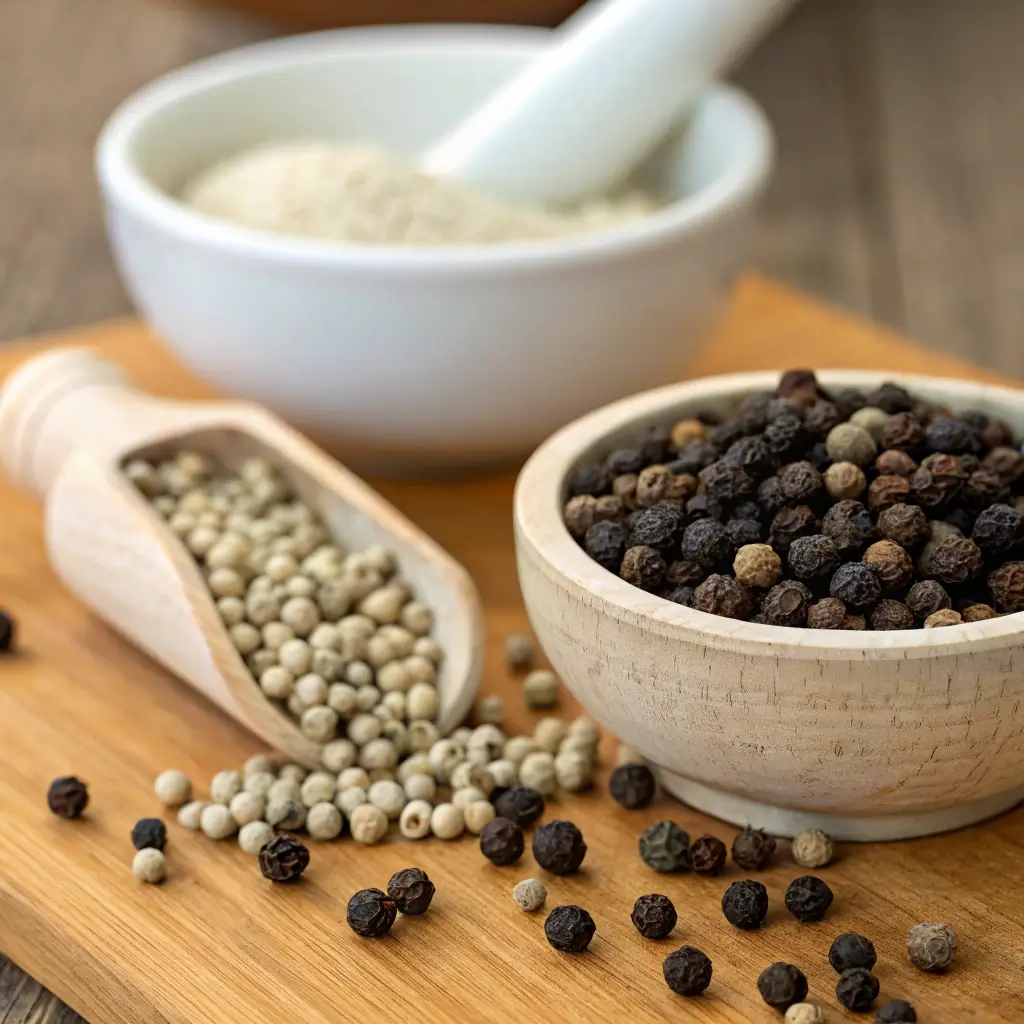
Imagine standing in your kitchen, surrounded by the enticing aromas of spices. You reach for a familiar jar of black pepper, but then you spot the white pepper sitting quietly beside it. Both have their unique charm, yet they offer distinctly different flavors and culinary experiences. In this exploration of pepper vs white pepper, you will uncover how these two spices can elevate your dishes. Not only do they enhance flavor, but they also bring a wealth of health benefits to the table. Therefore, whether you’re seasoning a savory soup or adding a dash to a fresh salad, understanding the differences between these two peppers is essential. Join me as we dive into their unique profiles, versatile uses, and tips for incorporating them into your cooking. You’ll soon discover that both black and white pepper can transform your meals in delightful ways!
Key Benefits
When it comes to the culinary world, understanding the differences between pepper vs white pepper can elevate your cooking game! Both types of pepper bring unique flavors and health benefits to the table, making them essential in any kitchen. Let’s dive into the delightful advantages of each!
Flavor Enhancement
Firstly, black pepper is known for its bold, robust flavor. It adds a warm, spicy kick to dishes, enhancing everything from savory meats to vibrant vegetables. On the other hand, white pepper offers a milder, earthy taste, which is perfect for creamy sauces and soups. Consequently, using both can create a well-rounded flavor profile in your meals!
Culinary Versatility
Moreover, black pepper shines in a variety of cuisines, from Italian to Indian, making it a versatile staple. White pepper, however, is often favored in Asian dishes, particularly in stir-fries and delicate sauces. Therefore, knowing when to use each can significantly improve your culinary creations!
Health Benefits
In addition to their flavor profiles, both types of pepper boast impressive health benefits. Black pepper is rich in antioxidants and has anti-inflammatory properties, which can aid digestion. White pepper, while similar, is often easier on the stomach for those with sensitivities. Thus, incorporating either into your diet can contribute to overall well-being!
Aroma
Furthermore, the aroma of black pepper is intense and invigorating, while white pepper has a more subtle, earthy scent. This difference can influence the overall sensory experience of your dishes. For example, a sprinkle of black pepper can awaken your senses, while white pepper can provide a gentle warmth.
Digestive Aid
Lastly, both types of pepper can support digestive health. Black pepper stimulates the production of digestive enzymes, helping your body break down food more efficiently. White pepper, on the other hand, can alleviate gas and bloating. Therefore, using either can be a delicious way to promote digestive wellness!
In conclusion, whether you choose black or white pepper, both offer unique benefits that can enhance your cooking and well-being. So, the next time you’re seasoning your favorite dish, remember the delightful differences in pepper vs white pepper and let your culinary creativity shine!
pepper vs white pepper
Ingredients
Equipment
Method
- Start with whole black and white peppercorns. You’ll need about 1 cup of each type.
- You can use a mortar and pestle for a traditional approach or a spice grinder for convenience.
- Add the black peppercorns and pulse until you reach your desired coarseness.
- Use the same grinding method as before, adjusting grinding time for pungency.
- Transfer your pepper to an airtight container and store in a cool, dark place.
- Remember that black pepper adds robust flavor, while white pepper offers subtler heat.
Notes
| Calories | Fat | Protein | Carbs |
|---|---|---|---|
| 6 | 0g | 0g | 1g |
Ingredients
When it comes to understanding the differences between pepper vs white pepper, the ingredients play a crucial role. Here’s a clear breakdown of what you need:
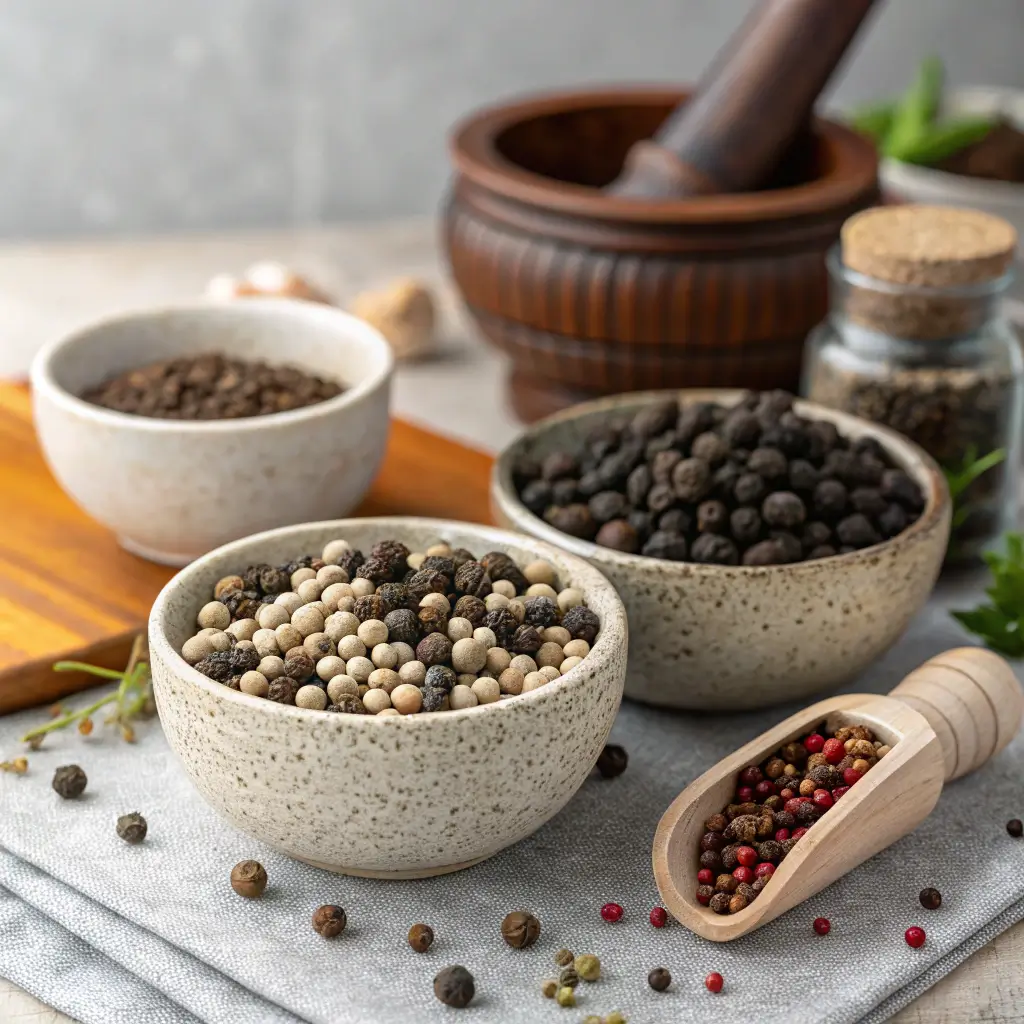
- Black Peppercorns: These are the dried, unripe berries of the Piper nigrum plant. They offer a robust flavor and a hint of heat, making them a staple in many kitchens.
- White Peppercorns: These are the ripe berries, soaked to remove their outer skin. Consequently, they have a milder flavor and a slightly earthy aroma, which can be perfect for certain dishes.
- Grinding Tools: To fully enjoy the flavors of both types, consider using a mortar and pestle or a spice grinder. Each method can yield different textures, so experiment to find your preference.
- Seasoning Alternatives: If you’re looking for substitutes, consider using ground coriander or cumin for a different flavor profile. However, keep in mind that they won’t replicate the unique taste of pepper.
In summary, understanding these ingredients is essential when exploring the world of pepper vs white pepper. Each type brings its own character to your dishes, enhancing flavors in distinct ways.”pepper vs white pepper”
How to Make Pepper vs White Pepper
Creating the perfect pepper blend is an art that enhances your culinary creations. Below, I’ll guide you through the steps to make both black and white pepper, ensuring you understand the nuances of each. Let’s dive in!
- Gather Your Ingredients: Start with whole black and white peppercorns. You’ll need about 1 cup of each type. This will allow you to appreciate the distinct flavors they bring to your dishes.
- Choose Your Grinding Method: You can use a mortar and pestle for a traditional approach or a spice grinder for convenience. Each method offers a different texture, so choose based on your preference.
- Grinding Black Pepper: If you’re using a spice grinder, add the black peppercorns and pulse until you reach your desired coarseness. For a mortar and pestle, crush the peppercorns with a firm, circular motion. This method releases more oils, enhancing the flavor.
- Grinding White Pepper: White pepper is typically milder and earthier. Use the same grinding method as before. However, be mindful that white pepper can be more pungent, so adjust your grinding time accordingly.
- Storing Your Pepper: Once ground, transfer your pepper to an airtight container. This will preserve the freshness and aroma. Store it in a cool, dark place, away from direct sunlight.
- Using Your Pepper: When seasoning your dishes, remember that black pepper adds a robust flavor, while white pepper offers a subtler heat. Experiment with both to find the perfect balance for your recipes.
By following these steps, you’ll master the art of making pepper vs white pepper. Each type has its unique characteristics, and understanding these will elevate your cooking. Enjoy the journey of flavor exploration!
Pro Tips, Variations, and Common Problems
When it comes to using pepper vs white pepper, understanding their unique characteristics can elevate your culinary creations. Here are some pro tips to help you navigate the world of these spices:
Pro Tips
– Flavor Pairing: Black pepper offers a bold, pungent flavor, making it perfect for hearty dishes like stews and grilled meats. Conversely, white pepper has a milder, earthy taste, which works well in lighter dishes such as soups and creamy sauces.
– Grinding Techniques: For the best flavor, grind your pepper just before use. A mortar and pestle or a spice grinder can help release the essential oils, enhancing the aroma and taste. Additionally, if you prefer a finer texture, opt for a spice grinder over a traditional pepper mill.
– Storage Matters: Store both black and white pepper in airtight containers, away from light and heat. This will help maintain their freshness and potency. Remember, whole peppercorns last longer than pre-ground varieties, so consider buying whole and grinding as needed.
Creative Variations
– Pepper Blends: Experiment with blending black and white pepper for a unique flavor profile. This combination can add depth to your dishes, especially in marinades or dressings.
– Substitutions: If you find yourself out of one type of pepper, you can often substitute black pepper for white pepper and vice versa. However, keep in mind that the flavor will change slightly. For a milder taste, use white pepper; for a bolder kick, stick with black.
Common Mistakes
– Over-Seasoning: One common mistake when using pepper vs white pepper is over-seasoning. Start with a small amount and gradually increase to avoid overpowering your dish. Remember, you can always add more, but it’s hard to take it away!
– Ignoring Freshness: Using stale pepper can dull the flavors of your dish. Always check the freshness of your spices. If they lack aroma, it’s time to replace them.
– Not Considering Color: The visual aspect of your dish matters too! While black pepper adds a speckled look, white pepper can blend seamlessly into lighter sauces and soups. Choose according to the presentation you desire.
By keeping these tips in mind, you can confidently navigate the nuances of pepper vs white pepper, ensuring your dishes are flavorful and well-balanced. Happy cooking!
Serving Suggestions for Pepper vs White Pepper
When it comes to serving dishes that highlight the unique qualities of pepper vs white pepper, the possibilities are endless. Both types of pepper can elevate your meals, but they shine in different culinary contexts. Here are some delightful serving suggestions to impress your guests.”pepper vs white pepper”
Pairing with Dishes
For black pepper, consider pairing it with hearty dishes. It complements:
- Grilled meats: Black pepper enhances the smoky flavors of grilled chicken or beef, adding depth and warmth.
- Vegetable stir-fries: A sprinkle of black pepper can elevate the freshness of your favorite veggies.
- Rich sauces: Use black pepper in creamy sauces for pasta or risottos to balance richness.
On the other hand, white pepper is perfect for lighter fare. It works beautifully with:
- Soups: White pepper adds a subtle heat to creamy soups like potato or cauliflower.
- Salads: A dash of white pepper can enhance vinaigrettes, giving your salads a sophisticated touch.
- Fish dishes: White pepper complements the delicate flavors of fish, making it an excellent seasoning choice.
Drink Pairings
To round out your meal, consider these drink pairings:
- Herbal teas: A refreshing mint or chamomile tea can cleanse the palate, especially after a peppery dish.
- Fruit juices: Citrus juices, like lemon or orange, can brighten the flavors of your meal, particularly when using white pepper.
- Sparkling water: A splash of sparkling water with a hint of lime can enhance the overall dining experience.
In conclusion, whether you choose black or white pepper, each brings its own charm to the table. By thoughtfully pairing these spices with the right dishes and drinks, you can create a memorable dining experience that showcases the delightful differences between pepper vs white pepper.
Storing and Reheating Pepper vs White Pepper
When it comes to preserving the vibrant flavors of pepper vs white pepper, proper storage and reheating techniques are essential. Both types of pepper can enhance your dishes, but they require different care to maintain their unique qualities.
Storage Tips
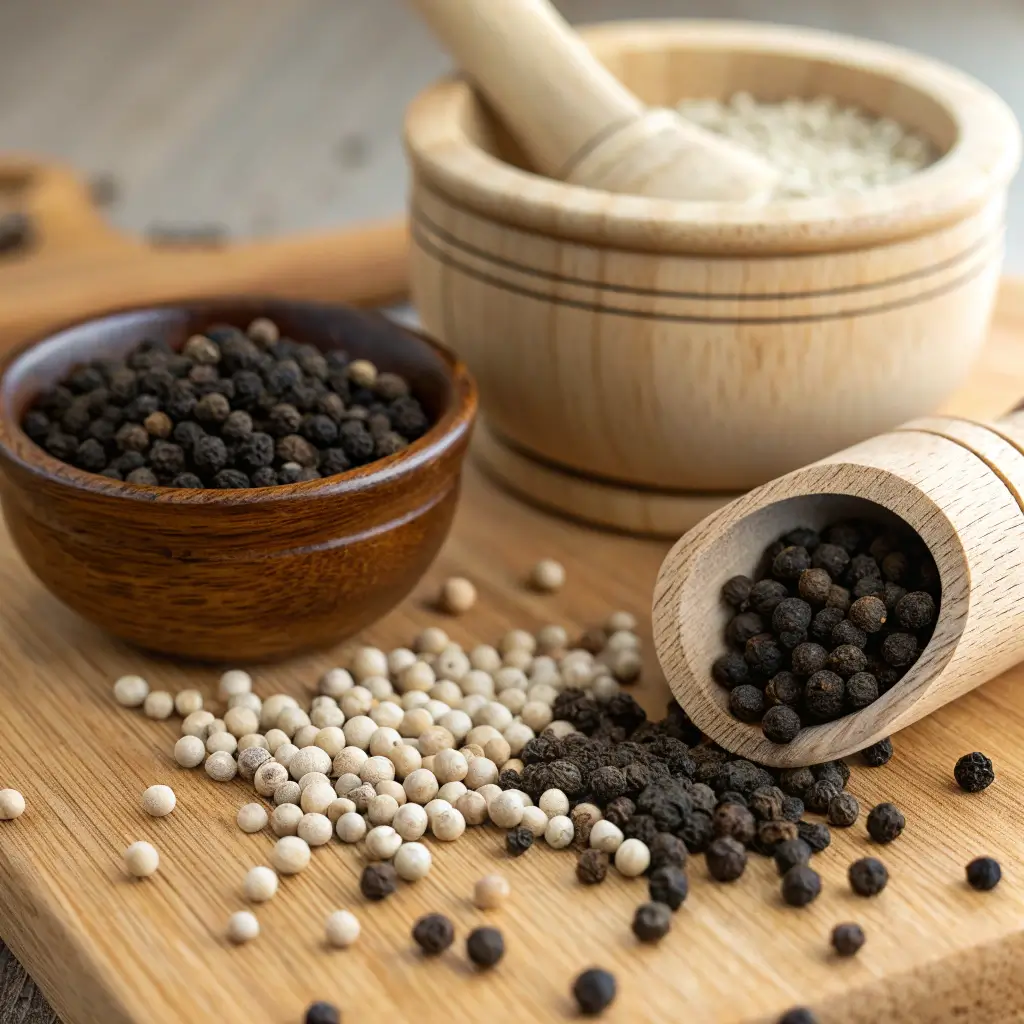
To keep your pepper fresh, store it in an airtight container. This method prevents moisture and air from degrading its flavor. For black pepper, a cool, dark pantry is ideal, while white pepper benefits from refrigeration due to its higher oil content. If you choose to refrigerate white pepper, it can last up to six months. Conversely, black pepper can remain fresh for about a year when stored properly.
If you want to extend the shelf life even further, consider vacuum-sealing your pepper. This technique can keep both types fresh for up to two years in the freezer. However, always label your containers with the date to track freshness. Additionally, ensure that your storage area is clean and dry to prevent spoilage or bacterial growth. “pepper vs white pepper”
Reheating Methods
When reheating dishes that contain pepper vs white pepper, the goal is to preserve their flavor and texture. For both types, the stovetop is an excellent option. Start by placing your dish in a skillet over low heat. Add a splash of water or broth to introduce moisture, which helps prevent drying out. Stir occasionally to ensure even heating. Alternatively, if you prefer the oven, preheat it to a low temperature, around 300°F (150°C). Cover your dish with foil to trap steam, which keeps it moist.
For microwave reheating, use a microwave-safe container and cover it with a damp paper towel. This method retains moisture and prevents overcooking. Lastly, if you’re using an air fryer, set it to a low temperature and check frequently to avoid drying out your dish. By following these steps, you can enjoy the delightful flavors of pepper vs white pepper in your reheated meals.”pepper vs white pepper”
Conclusion
As we wrap up this exploration of pepper vs white pepper, I want to express my heartfelt thanks for joining me on this flavorful journey. This recipe not only showcases the simplicity and versatility of both types of pepper but also highlights why they are essential staples in any kitchen. Whether you choose to use black pepper for its bold kick or white pepper for its subtle warmth, you’re sure to elevate your dishes effortlessly. I encourage you to try making this recipe yourself; you might just discover a new favorite way to spice up your meals!
Share Your Experience
I would love to hear about your culinary adventures! Please feel free to share your results or ask any questions you may have. Additionally, don’t hesitate to experiment with variations or pairings that suit your taste. Cooking is all about creativity, and using pepper vs white pepper is a fantastic way to explore new flavor profiles. So, gather your ingredients, roll up your sleeves, and enjoy the process of creating something delicious!
Frequently Asked Questions about Pepper vs White Pepper
Curious about the differences between pepper and white pepper? You’re not alone! Here are some common questions that can help clarify their unique qualities.”pepper vs white pepper”
What is the difference between black pepper and white pepper?
Black pepper is made from the unripe berries of the pepper plant, while white pepper comes from fully ripe berries that have been soaked to remove their outer skin. Consequently, black pepper has a stronger, more complex flavor, whereas white pepper tends to be milder and slightly earthy.
Can I substitute black pepper for white pepper in recipes?
Yes, you can substitute black pepper for white pepper, but keep in mind that the flavor will differ. Black pepper is more pungent, so start with a smaller amount and adjust to taste. Additionally, if the dish is light-colored, using black pepper may affect its appearance.
Is white pepper healthier than black pepper?
Both black and white pepper offer health benefits, including antioxidant properties and digestive aids. However, black pepper contains piperine, which may enhance nutrient absorption. Therefore, while both are healthy, black pepper might have a slight edge in terms of health benefits.
How should I store black and white pepper?
To maintain their freshness, store both black and white pepper in airtight containers, away from light and moisture. Ideally, keep them in a cool, dark place. This way, you can preserve their flavor and aroma for a longer time.
Can I grind white pepper like black pepper?
Absolutely! You can grind white pepper using a spice grinder or a mortar and pestle, just like black pepper. However, be cautious, as white pepper can be more potent. Therefore, start with a small amount and adjust according to your taste preferences.