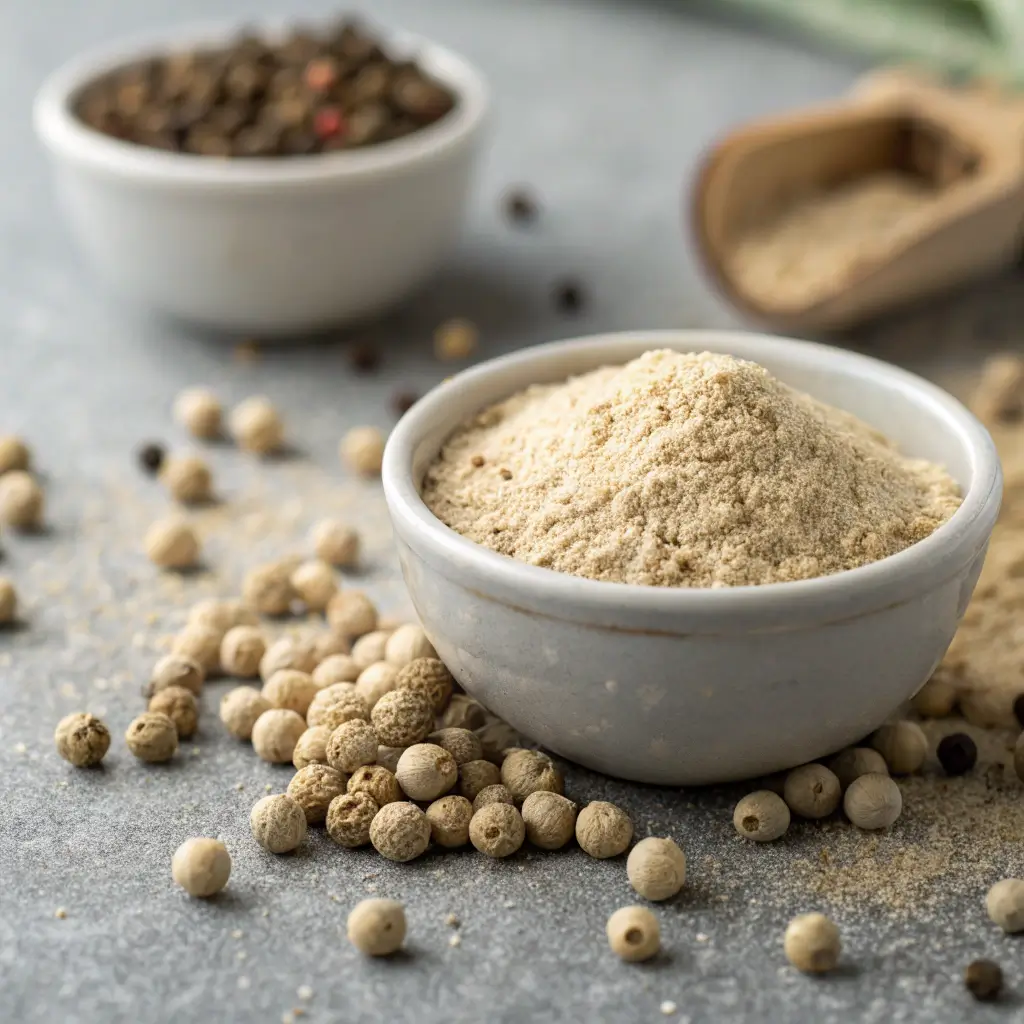
Have you ever wondered what is white pepper? This unique spice, often overshadowed by its black counterpart, brings a distinct flavor and numerous health benefits to your culinary creations. White pepper is not only versatile but also adds a subtle heat that can elevate your dishes. Whether you’re preparing a creamy soup or a flavorful marinade, understanding what is white pepper can transform your cooking experience. In addition, its antioxidant properties and digestive aids make it a valuable addition to your spice rack. So, let’s dive into the world of white pepper and explore its uses, benefits, and how to incorporate it into your meals!
Key Benefits
So, what is white pepper? Well, it’s not just a simple spice; it comes with a host of benefits that can elevate your cooking and health. Here are some key perks to consider:
- Flavor Enhancement: White pepper has a unique, earthy flavor that can enhance a variety of dishes. It’s particularly great in creamy soups and sauces, where its subtle heat shines through.
- Health Benefits: This spice is known for its digestive aid properties. It can help alleviate bloating and discomfort, making it a great addition to meals, especially if you’re prone to digestive issues.
- Antioxidant Properties: White pepper contains antioxidants that can help combat oxidative stress in the body. This means it may contribute to overall health and wellness.
- Culinary Versatility: You can use white pepper in a wide range of cuisines. From Asian dishes to classic French sauces, it fits in beautifully, adding depth and complexity.
- Low-Calorie Flavoring: If you’re looking to spice up your meals without adding calories, white pepper is a fantastic option. It adds flavor without the need for extra fats or sugars.
In summary, understanding what white pepper is can truly enhance your culinary experience. Not only does it bring a unique flavor to your dishes, but it also offers several health benefits that make it a worthwhile addition to your spice rack. So, the next time you’re cooking, consider reaching for white pepper to elevate your meal!
what is white pepper
Ingredients
Equipment
Method
- Start with ripe pepper berries, which are the source of white pepper. You can find these at specialty spice shops or online.
- Place the ripe pepper berries in a bowl of water. Soak them for about 24 hours. This step is crucial because it helps to loosen the outer skin.
- After soaking, gently rub the berries to remove the outer layer. This process can be a bit messy, but it’s essential for achieving that pure white pepper flavor.
- Once the skins are removed, spread the seeds out on a clean towel or baking sheet. Allow them to dry completely, which may take a few days. Alternatively, you can use a dehydrator for quicker results.
- Once dried, place the seeds in a spice grinder or mortar and pestle. Grind them to a fine powder. This step is where the magic happens, as it releases the unique flavor profile of white pepper.
- Transfer your freshly ground white pepper into an airtight container. Store it in a cool, dark place to maintain its flavor. Remember, freshly ground white pepper is always more flavorful than pre-ground varieties.
Notes
Ingredients
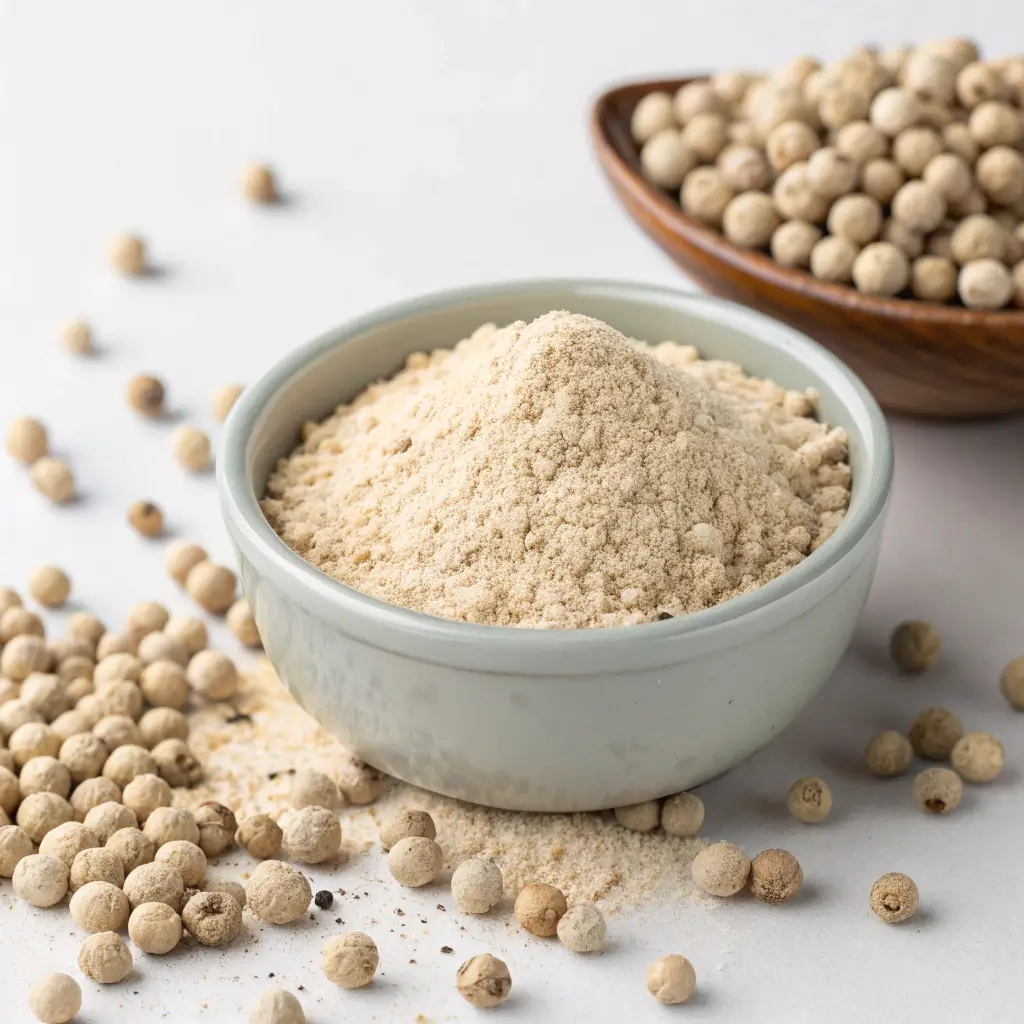
When exploring what is white pepper, the star ingredient is undoubtedly white peppercorns. These unique seeds come from ripe pepper berries, which are harvested and processed to create the distinctive spice we love. Here’s a closer look at what you need:
- White Peppercorns: The primary ingredient, these seeds are soaked to remove their outer skin, revealing the inner seed that delivers a milder, earthy flavor.
- Grinding Equipment: A spice grinder or mortar and pestle is essential for transforming whole peppercorns into a fine powder. Freshly ground white pepper offers the best flavor.
- Storage Container: An airtight container is crucial for preserving the freshness of your white pepper. Keep it in a cool, dark place to maintain its flavor.”what is white pepper?”
- Substitutes: If white pepper is unavailable, consider using ground black pepper or a blend of dried herbs. However, be mindful that these alternatives may alter the flavor profile slightly.
In summary, understanding what is white pepper and its ingredients can elevate your culinary creations. By using high-quality white peppercorns and proper grinding techniques, you’ll unlock a world of flavor in your dishes.
How to Make What is White Pepper
Making white pepper at home is a straightforward process that can enhance your culinary creations. Follow these simple steps to create your own white pepper from scratch:
- Gather Your Ingredients: Start with ripe pepper berries, which are the source of white pepper. You can find these at specialty spice shops or online.
- Soak the Berries: Place the ripe pepper berries in a bowl of water. Soak them for about 24 hours. This step is crucial because it helps to loosen the outer skin.
- Remove the Outer Skin: After soaking, gently rub the berries to remove the outer layer. This process can be a bit messy, but it’s essential for achieving that pure white pepper flavor.
- Dry the Seeds: Once the skins are removed, spread the seeds out on a clean towel or baking sheet. Allow them to dry completely, which may take a few days. Alternatively, you can use a dehydrator for quicker results.”what is white pepper?”
- Grind the Seeds: Once dried, place the seeds in a spice grinder or mortar and pestle. Grind them to a fine powder. This step is where the magic happens, as it releases the unique flavor profile of white pepper.
- Store Properly: Transfer your freshly ground white pepper into an airtight container. Store it in a cool, dark place to maintain its flavor. Remember, freshly ground white pepper is always more flavorful than pre-ground varieties.
By following these steps, you’ll not only understand what white pepper is but also how to make it at home. This process is not only rewarding but also saves time and ensures you have a fresh spice on hand for your culinary adventures.
Pro Tips, Variations, and Common Problems
When exploring what is white pepper, there are several chef secrets that can elevate your culinary creations. Here are some pro tips to enhance your experience:
- Freshly Ground is Best: Always opt for freshly ground white pepper. This ensures maximum flavor and aroma, making your dishes truly shine.
- Experiment with Ratios: If you’re unsure about the strength of white pepper, start with a small amount. You can always add more, but it’s difficult to tone down an overpowering flavor.
- Pairing with Other Spices: White pepper works beautifully with spices like ginger and garlic. For a unique twist, try blending it with a hint of nutmeg or cardamom.
- Storage Matters: To maintain its potency, store white pepper in an airtight container, away from light and moisture. This simple step can significantly prolong its shelf life.”what is white pepper?”
- Substitutions: If you find yourself without white pepper, ground black pepper can serve as a substitute. However, be mindful that it has a stronger flavor, so use it sparingly.
Now, let’s explore some creative variations:
- Infused Oils: Create a white pepper-infused oil by gently heating olive oil with whole white peppercorns. This adds a delightful kick to dressings and marinades.
- Spice Blends: Combine white pepper with dried herbs like thyme or oregano for a flavorful seasoning blend that can enhance roasted vegetables or meats.
- Soups and Sauces: Incorporate white pepper into creamy soups or sauces. Its subtle heat complements the richness, creating a balanced flavor profile.
Despite its versatility, you may encounter some common problems when using white pepper:
- Bitterness: If your dish tastes bitter, it may be due to using too much white pepper. Start with a pinch and gradually increase to avoid overpowering your dish.
- Overpowering Flavor: White pepper can be quite potent. If you find it too strong, consider balancing it with a touch of sweetness, such as honey or a pinch of sugar. “what is white pepper?”
- Texture Issues: If you prefer a smoother texture, ensure you grind the white peppercorns finely. A coarse grind can lead to an unpleasant mouthfeel in your dishes.
In summary, understanding what is white pepper and how to use it effectively can transform your cooking. By following these tips and being mindful of common pitfalls, you’ll be well on your way to mastering this unique spice.
Serving Suggestions for White Pepper
When considering how to serve dishes featuring white pepper, it’s essential to embrace its unique flavor profile. Traditionally, white pepper is used in various cuisines, particularly in Asian and European dishes. Here are some delightful serving suggestions that will surely impress your guests:
- Soups and Broths: White pepper adds a subtle warmth to creamy soups, such as potato or cauliflower. Simply sprinkle it on top just before serving for an aromatic touch.
- Stir-Fries: Incorporate white pepper into your favorite stir-fry dishes. It pairs beautifully with vegetables and proteins, enhancing the overall flavor without overpowering other ingredients.”what is white pepper?”
- Seasoning for Sauces: Use white pepper in sauces, particularly creamy ones like Alfredo or béchamel. It not only adds depth but also a hint of spice that elevates the dish.
- Vegetable Dishes: For roasted or steamed vegetables, a dash of white pepper can enhance their natural flavors. Consider using it on asparagus, broccoli, or carrots for a delightful twist.
- Egg Dishes: Whether in scrambled eggs or omelets, white pepper can provide a gentle kick. It’s a classic addition that complements the richness of eggs beautifully.at “what is white pepper?”
- Marinades: When preparing marinades for chicken or tofu, include white pepper for an extra layer of flavor. It works well with citrus or soy-based marinades, enhancing the overall taste.
In summary, understanding what white pepper is and how to serve it can transform your culinary creations. By incorporating it into various dishes, you not only enhance flavors but also introduce a touch of sophistication to your meals. So, the next time you cook, remember these serving suggestions to impress your guests with the delightful nuances of white pepper.
Preserving and Reheating White Pepper
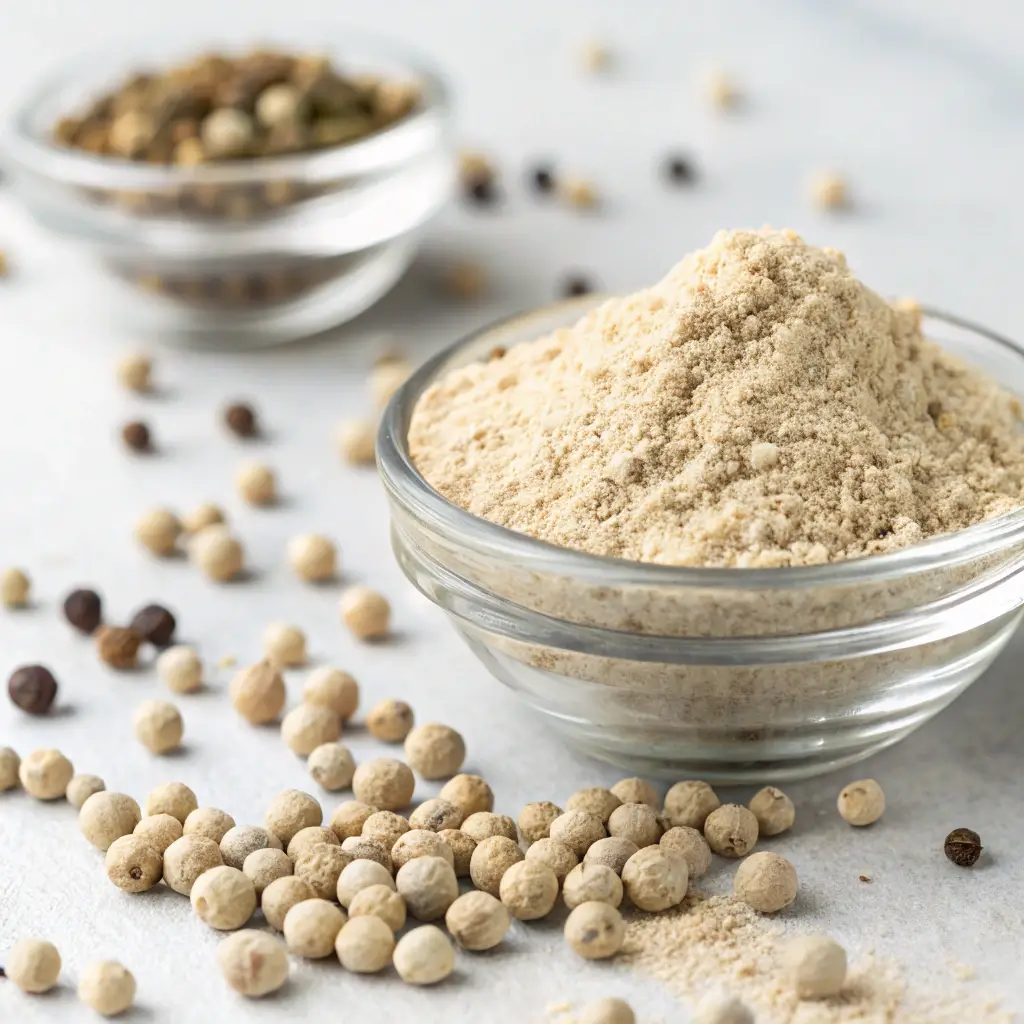
To maintain the vibrant flavor and quality of white pepper, proper storage is essential. Firstly, store white pepper in an airtight container. This prevents moisture and air from degrading its flavor. Ideally, keep it in a cool, dark place, such as a pantry or cupboard. If you live in a particularly humid environment, consider refrigeration. In the fridge, white pepper can stay fresh for up to six months. Alternatively, for longer storage, you can freeze it. When frozen, white pepper retains its quality for about a year.
However, ensure it is vacuum-sealed or stored in a freezer-safe container to prevent freezer burn. Additionally, always label your containers with the date to track freshness. Food safety is paramount; thus, avoid cross-contamination by using clean utensils when handling white pepper.
Reheating Methods
When it comes to reheating dishes that contain white pepper, gentle methods are key to preserving its unique taste. For stovetop reheating, place your dish in a pan over low heat. Stir occasionally to ensure even warming. If you prefer the oven, preheat it to a low temperature, around 300°F (150°C). Cover your dish with foil to retain moisture, and heat for about 15-20 minutes. Alternatively, the microwave can be used, but do so with caution. Place your dish in a microwave-safe container, cover it with a damp paper towel, and heat in short intervals of 30 seconds, stirring in between.
This technique helps to refresh the dish without drying it out. Lastly, if you’re using an air fryer, set it to a low temperature and check frequently to avoid overcooking. By following these steps, you can enjoy your white pepper dishes just as deliciously as when they were first made. “what is white pepper?”
Conclusion
As we wrap up our exploration of what white pepper is, I hope you feel inspired to bring this versatile spice into your kitchen. This recipe not only highlights the unique flavor profile of white pepper but also showcases its simplicity and adaptability. Whether you’re seasoning a creamy soup or enhancing a vegetable dish, white pepper is an excellent choice that can elevate your meals effortlessly. I encourage you to try making this dish yourself and share your thoughts in the comments below. Your culinary journey is just beginning, and I would love to hear about your experiences!
Get Creative!
Remember, cooking is all about experimentation. Feel free to play around with variations or pairings that suit your taste. For instance, consider blending white pepper with other spices to create a unique seasoning mix. If you have any questions or want to share your results, don’t hesitate to reach out. Together, we can celebrate the joy of cooking and discover new flavors. So, gather your ingredients and let the adventure begin—what’s more, you might just find a new favorite dish along the way!
What is White Pepper?
White pepper is a spice made from the dried seeds of the pepper plant, specifically the Piper nigrum species. It has a milder flavor compared to black pepper, which makes it a popular choice in certain cuisines, particularly in Asian dishes. Additionally, white pepper is often used in creamy sauces and soups where the appearance of black specks is undesirable.”what is white pepper?”
What are the health benefits of white pepper?
White pepper offers several health benefits. For instance, it can aid digestion and has antioxidant properties. Moreover, it may help improve circulation and has been used in traditional medicine for its potential anti-inflammatory effects. Therefore, incorporating white pepper into your meals can not only enhance flavor but also contribute to your overall health.
How is white pepper different from black pepper?
While both white and black pepper come from the same plant, they differ in processing. Black pepper is made from unripe berries, while white pepper is derived from fully ripe berries with the outer skin removed. Consequently, white pepper has a different flavor profile—it’s generally more earthy and less pungent than black pepper. Thus, the choice between the two often depends on the dish and desired flavor.”what is white pepper?”
Can I substitute white pepper for black pepper?
Yes, you can substitute white pepper for black pepper, but keep in mind that the flavors are not identical. White pepper has a milder taste, so you may need to adjust the quantity based on your preference. For example, if a recipe calls for black pepper, start with a smaller amount of white pepper and taste as you go. This way, you can achieve the desired flavor without overpowering your dish.
How should I store white pepper?
To maintain the freshness and flavor of white pepper, store it in an airtight container in a cool, dark place. This helps prevent exposure to moisture and light, which can degrade its quality. Additionally, if you buy whole white peppercorns, consider grinding them just before use for the best flavor. By doing so, you can enjoy the full aromatic experience that white pepper has to offer.”what is white pepper?”