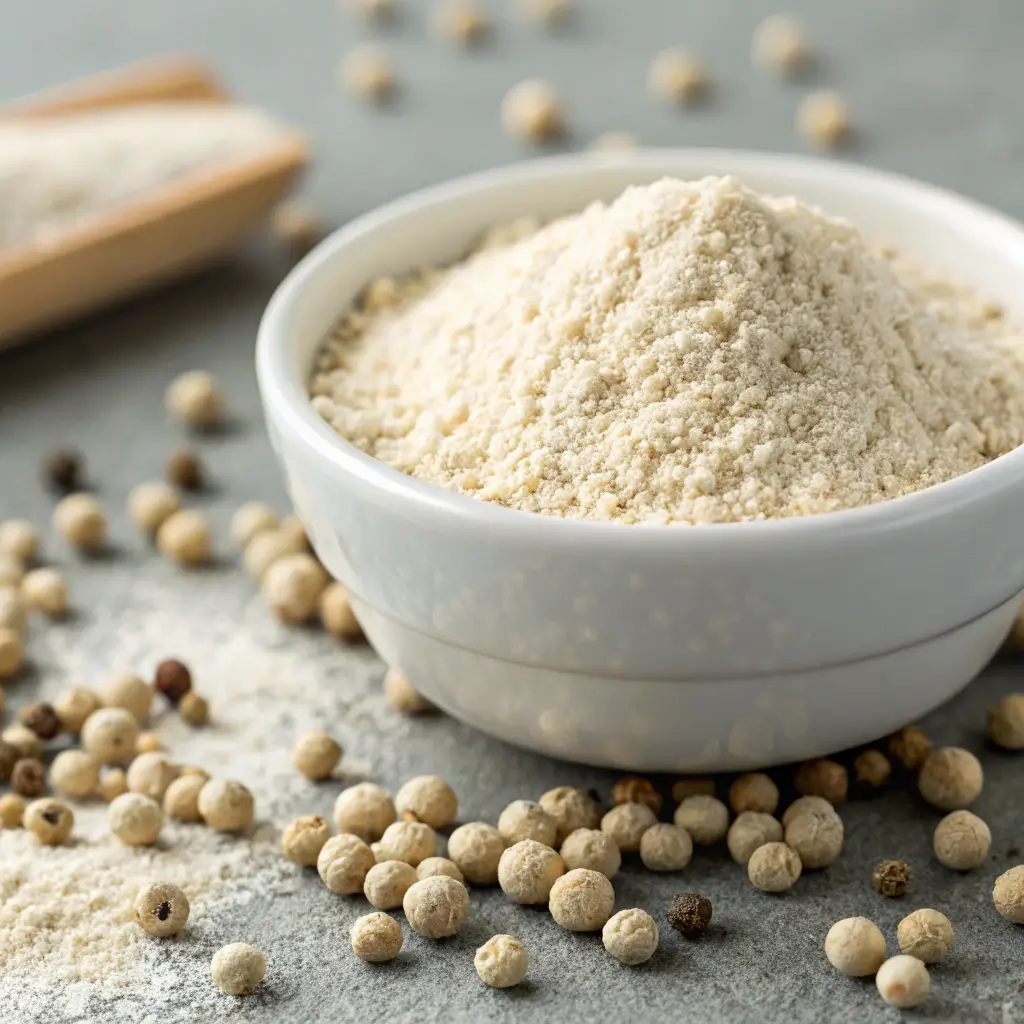
Have you ever wondered how a simple spice can transform a dish? White pepper, with its unique flavor profile, does just that. I remember the first time I added white pepper to my creamy potato soup; it was a revelation! The subtle heat and aromatic qualities of this spice elevated the dish, making it a family favorite. Not only does white pepper enhance flavors, but it also offers impressive health benefits. For instance, it aids digestion and possesses anti-inflammatory properties. Therefore, incorporating white pepper into your cooking is not only delicious but also nutritious. In this recipe, we will explore how to make white pepper at home, ensuring you have the freshest seasoning at your fingertips. So, let’s dive into the world of white pepper and discover its culinary wonders!
Key Benefits
White pepper is not just a spice; it’s a powerhouse of health benefits and culinary magic! By incorporating white pepper into your dishes, you can enjoy a delightful flavor while reaping numerous advantages. Here’s why you should embrace this aromatic spice:
- Digestive Aid: White pepper is known to stimulate digestion. It can help alleviate bloating and discomfort, making it a great addition to rich meals.
- Anti-Inflammatory Properties: This spice contains antioxidants and essential oils that can help reduce inflammation in the body. Consequently, it may support overall health and wellness.
- Flavor Enhancement: White pepper adds a unique, subtle heat to dishes without overpowering them. It’s perfect for creamy soups and sauces, elevating their flavor profile beautifully.
- Metabolism Booster: Interestingly, white pepper can aid in boosting metabolism. This can be particularly beneficial if you’re looking to maintain a healthy weight.
- Aromatic Spice: The distinct aroma of white, pepper can enhance the sensory experience of your meals. It brings warmth and depth to a variety of dishes, from stir-fries to marinades.
In summary, using white pepper not only enhances your culinary creations but also contributes to your well-being. So, sprinkle some into your next dish and enjoy the benefits it brings!
Ingredients for White Pepper
When it comes to white pepper, the star ingredient is undoubtedly whole white peppercorns. These little gems pack a punch of flavor and aroma, making them a must-have in your spice collection. Here’s what you’ll need:
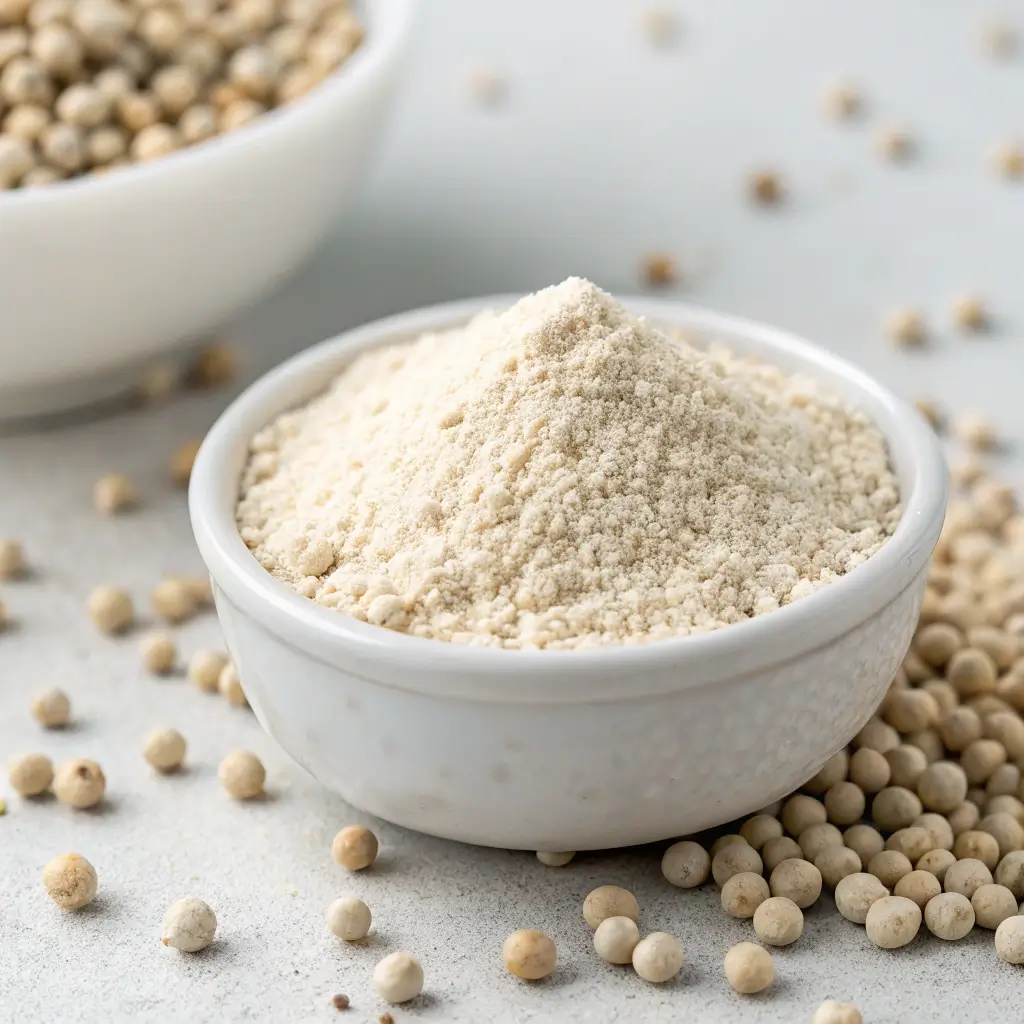
- Whole White Peppercorns: The primary ingredient for creating white pepper. Look for high-quality, fresh peppercorns to ensure the best flavor.
- Grinding Method: To release the full potential of white pepper, you’ll need a spice grinder or a mortar and pestle. Each method offers a different texture, so choose based on your preference.
- Substitutes: If you find yourself without white pepper, ground black pepper can serve as a substitute. However, keep in mind that the flavor profile will differ slightly.
- Storage Container: An airtight container is essential for preserving the freshness of your white, pepper. This will help maintain its aromatic qualities over time.
In addition to these ingredients, consider experimenting with different grinding techniques. For instance, a finer grind will provide a more intense flavor, while a coarser grind can add a delightful texture to your dishes. Overall, white pepper is versatile and can enhance a variety of recipes, from soups to sauces.
white pepper
Ingredients
Equipment
Method
- Gather Your Ingredients: Start with high-quality whole white peppercorns. You’ll need about one cup for a generous batch of homemade white pepper.
- Soak the Peppercorns: Place the white peppercorns in a bowl and cover them with water. Allow them to soak for at least 24 hours.
- Boil the Peppercorns: After soaking, drain the water and transfer the peppercorns to a pot. Add fresh water and bring it to a boil. Boil for about 10-15 minutes.
- Remove the Outer Layer: Once boiled, drain the peppercorns again. Rinse them under cold water to cool them down. Gently rub the peppercorns between your fingers to remove the softened outer layer.
- Dry the Peppercorns: Spread the cleaned peppercorns on a baking sheet. Allow them to dry completely, either in a warm, sunny spot or in a low oven (around 150°F or 65°C) for about 30 minutes.
- Grind the Peppercorns: Once dried, use a spice grinder or a mortar and pestle to achieve a fine powder. Adjust grinding time for coarser texture.
- Store Properly: Transfer your freshly ground white pepper into an airtight container. Store it in a cool, dark place.
How to Make White Pepper
Creating your own white pepper at home is a rewarding experience that enhances both flavor and freshness in your dishes. Follow these simple steps to craft this aromatic spice with ease.
- Gather Your Ingredients: Start with high-quality whole white, peppercorns. You’ll need about one cup for a generous batch of homemade white pepper.
- Soak the Peppercorns: Place the white pepper corns in a bowl and cover them with water. Allow them to soak for at least 24 hours. This process softens the outer layer, making it easier to remove.
- Boil the Peppercorns: After soaking, drain the water and transfer the peppercorns to a pot. Add fresh water and bring it to a boil. Boil for about 10-15 minutes. This step helps to further loosen the outer husk.
- Remove the Outer Layer: Once boiled, drain the peppercorns again. Rinse them under cold water to cool them down. Now, gently rub the peppercorns between your fingers to remove the softened outer layer. This may take a few minutes, but it’s essential for achieving pure white pepper.
- Dry the Peppercorns: Spread the cleaned peppercorns on a baking sheet. Allow them to dry completely, either in a warm, sunny spot or in a low oven (around 150°F or 65°C) for about 30 minutes. Ensure they are thoroughly dried to prevent clumping during grinding.
- Grind the Peppercorns: Once dried, it’s time to grind! Use a spice grinder or a mortar and pestle to achieve a fine powder. If you prefer a coarser texture, adjust your grinding time accordingly. This fresh white pepper will have a more vibrant flavor than store-bought versions.
- Store Properly: Transfer your freshly ground white, pepper into an airtight container. Store it in a cool, dark place to maintain its flavor. Proper storage is crucial, as exposure to light and moisture can diminish its potency.
By following these steps, you’ll not only enjoy the process but also have a delightful spice to elevate your culinary creations. White’ pepper adds a unique warmth and depth to dishes, making it a must-have in your spice collection.
Pro Tips, Variations, and Common Problems with White Pepper
White pepper can elevate your dishes, but to truly master its use, consider these pro tips and variations. First and foremost, always use freshly ground white, pepper for the best flavor. Additionally, invest in a quality spice grinder; this will ensure a fine, consistent grind that enhances your dishes. If you find your white, pepper clumping, it may be due to moisture. Therefore, store it in an airtight container in a cool, dry place to maintain its freshness.
Creative Variations
White pepper is versatile, so don’t hesitate to experiment! For instance, you can blend it with other spices like garlic powder or onion powder to create a unique seasoning mix. Alternatively, try using it in creamy sauces or soups for a subtle heat. Furthermore, if you’re looking for a milder flavor, consider mixing white’ pepper with a pinch of ground coriander or cumin.
Common Mistakes and Troubleshooting
One common mistake is using too much white pepper, which can overpower your dish. To avoid this, start with a small amount and gradually increase it to taste. Another issue is losing flavor over time; if your white, pepper has been sitting in the pantry for a while, it may have lost its potency. Therefore, always check the freshness before use. If you notice a dull flavor, consider grinding a new batch to revive the spice’s aromatic qualities.
Lastly, if you’re unsure about the flavor intensity, remember that white’ pepper can be more pungent than black pepper. Thus, adjust your measurements accordingly. By keeping these tips in mind, you’ll be well on your way to mastering the art of using white, pepper in your culinary creations!
Serving Suggestions for White Pepper
White pepper is a versatile spice that can elevate your culinary creations in delightful ways. When serving dishes seasoned with white’ pepper, consider pairing them with complementary flavors and textures. Here are some engaging suggestions to impress your guests:
Perfect Pairings
To enhance the dining experience, try these drink and side dish pairings:
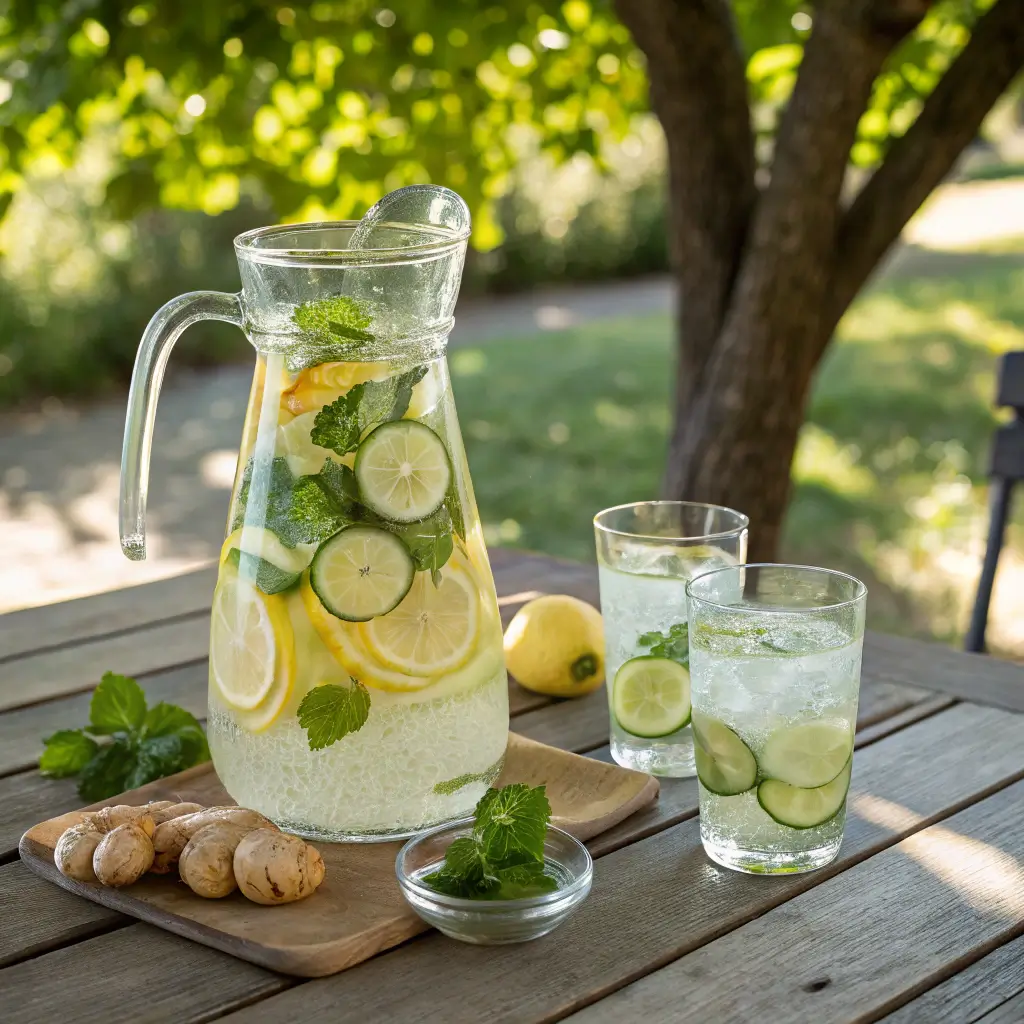
- Refreshing Beverages: A chilled cucumber mint lemonade or a sparkling herbal tea can cleanse the palate beautifully. These drinks not only refresh but also complement the subtle heat of white, pepper.
- Side Dishes: Serve creamy mashed potatoes or a rich cauliflower gratin. Both dishes benefit from the warm, earthy notes of white’ pepper, creating a harmonious balance.
- Salads: A light arugula salad with lemon vinaigrette pairs wonderfully. The peppery greens and zesty dressing enhance the flavor profile of white, pepper.
Creative Uses
White pepper shines in various dishes, so consider these ideas:
- Soups: Add white pepper to creamy soups like potato leek or butternut squash. It provides a gentle warmth that elevates the overall flavor.
- Marinades: Incorporate white pepper into marinades for chicken or tofu. It adds depth and complexity, making the protein more flavorful.
- Vegetable Dishes: Sprinkle white’ pepper over roasted vegetables. This simple addition enhances their natural sweetness and adds a subtle kick.
In summary, white pepper not only enhances the flavor of your dishes but also pairs beautifully with a variety of sides and beverages. By thoughtfully incorporating these suggestions, you’ll create a memorable dining experience that showcases the unique qualities of white, pepper.
Preserving and Reheating White Pepper
White’ pepper is a versatile spice that can elevate your culinary creations, but proper storage and reheating are essential to maintain its unique flavor and quality. Here’s how to do it like a pro!
Storage Tips
To keep white’ pepper fresh, store it in an airtight container. This prevents moisture and light from degrading its flavor. Ideally, place the container in a cool, dark pantry. If you want to extend its shelf life, consider refrigeration. In the fridge, white pepper can stay fresh for up to six months. For even longer storage, you can freeze it. When frozen, white, pepper can last for up to a year. However, remember to use a vacuum-sealed bag or an airtight container to avoid freezer burn. Additionally, always label your containers with the date to track freshness. Food safety is crucial; thus, ensure that your storage containers are clean and dry to prevent spoilage or bacterial growth.
Reheating Methods
When it comes to reheating dishes that contain white pepper, gentle methods are key to preserving its flavor. For stovetop reheating, place your dish in a pan over low heat. Stir occasionally to ensure even warming. If using a microwave, cover the dish with a damp paper towel to retain moisture. Heat in short intervals, stirring in between, until warmed through. Alternatively, you can use an oven. Preheat it to a low temperature, around 300°F (150°C), and place the dish in an oven-safe container. Cover it with foil to lock in moisture. This method helps avoid drying out the dish. Lastly, if you’re using an air fryer, set it to a low temperature and check frequently to ensure even reheating. To refresh the dish, consider adding a splash of broth or water before reheating. This will help maintain the dish’s moisture and enhance the overall flavor.
Conclusion
As we wrap up this delightful journey into the world of white pepper, I want to extend my heartfelt thanks for joining me. This recipe showcases the simplicity and versatility of white’ pepper, making it an excellent choice for both novice and seasoned cooks alike. Whether you’re enhancing a creamy soup or adding a subtle kick to your favorite vegetable dish, white’ pepper is sure to elevate your culinary creations. I encourage you to try making this at home; you might just discover a new staple for your spice rack!
Share Your Experience
I would love to hear about your results! Please feel free to share your thoughts or ask any questions you may have. Additionally, don’t hesitate to experiment with variations or pairings that suit your taste. Cooking is all about creativity, and white pepper offers a fantastic opportunity to explore new flavors. So, gather your ingredients and enjoy the process—happy cooking!
What is white pepper and how is it different from black pepper?
White pepper comes from the same plant as black pepper, but it is processed differently. The outer layer of the peppercorn is removed, leaving just the inner seed. This results in a milder flavor with a slightly fermented taste. Consequently, white’ pepper is often preferred in light-colored dishes where the appearance of black specks would be undesirable.
Can I use black pepper instead of white pepper?
Yes, you can substitute black pepper for white’ pepper in most recipes. However, keep in mind that black pepper has a stronger flavor and can alter the dish’s appearance. If you want to maintain a similar taste, use a smaller amount of black pepper and adjust according to your preference.
How should I store white pepper to keep it fresh?
To preserve the freshness of white pepper, store it in an airtight container in a cool, dark place. Avoid exposure to moisture and light, as these can diminish its flavor. Additionally, grinding white pepper just before use can enhance its aromatic qualities.
What are the health benefits of white pepper?
White pepper offers several health benefits, including aiding digestion and possessing anti-inflammatory properties. It contains antioxidants and essential oils that can boost metabolism. Therefore, incorporating white pepper into your meals can not only enhance flavor but also contribute to your overall health.
Can I make my own white pepper at home?
Absolutely! To make white pepper at home, soak whole white peppercorns in water for a few days. Afterward, boil them to remove the outer layer, then dry and grind the inner seeds into a fine powder. This process ensures you have fresh white pepper ready for your culinary creations.